New Zealand’s tourism expansion plans face parallel challenges around workforce capacity, community support and infrastructure as the government targets higher visitor arrivals and export value.
New Zealand tourism growth is creating renewed debate over workforce capacity, community support and destination management. The government wants international arrivals to return to pre-pandemic levels in 2026 and to double the value of tourism exports within 10 years.
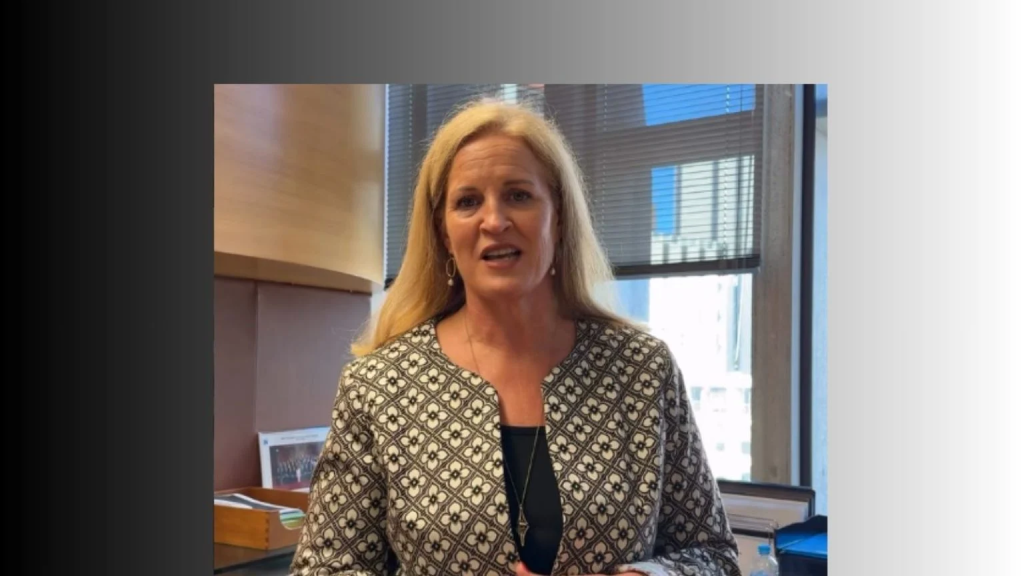
However, Tourism and Hospitality Minister Louise Upston said the expansion would not proceed “at any cost”. At the same time, industry representatives have warned that labour shortages could limit the sector’s ability to serve additional visitors.
Government focuses on managed tourism growth
During a Scrutiny Week appearance before the Economic Development, Science and Innovation Committee, Upston acknowledged concerns about unmanaged tourism growth. She said the government had heard the concerns raised by communities and industry stakeholders.
Upston said: “I want you to be reassured that I have been listening and I have heard it is not growth at any cost.”
She added: “It is growth that is managed, that we invest in to grow, and then as the numbers grow, invest in managing that growth.”
Visitor arrivals were at 94% of pre-pandemic levels when the minister addressed the committee. The government aims to restore arrivals to their earlier level during 2026.
Beyond that target, New Zealand plans to increase arrivals to 4.78 million by 2034. This would represent nearly 900,000 more international visitors than the country received in 2019.
Meanwhile, the wider tourism strategy seeks to double the value of tourism exports over a ten-year period. The government is therefore pursuing both higher visitor numbers and increased economic returns from the sector.
Social licence included in tourism planning
Upston said tourism growth would need to retain the support of local communities. Consequently, she has asked the Tourism New Zealand Board to consider the sector’s social licence.
TouristDestinations
Social licence refers to the extent to which residents and communities support tourism activities in their areas. It has become an important issue in destinations where visitor growth creates pressure on infrastructure, services and public spaces.
The minister also asked Tourism New Zealand to encourage visitors to travel beyond established gateways. Greater regional dispersal could distribute tourism expenditure more widely and reduce pressure on the busiest destinations.
Earlier on 18 June, Upston announced an additional NZ$5 million in government funding for Tourism New Zealand. The allocation is intended to attract more international visitors.
Of the total funding, NZ$1 million will support the business events sector. The additional investment forms part of the government’s effort to accelerate New Zealand tourism growth.
Industry warns of labour shortages
Alongside concerns about community capacity, the tourism industry is assessing whether it will have enough workers. About one in nine people currently work across tourism and hospitality in New Zealand.
Nevertheless, Rebecca Ingram, Chief Executive of Tourism Industry Aotearoa, warned that current workforce levels may not meet future demand. More staff will be required as additional international travellers arrive by air.
Ingram said: “We’re definitely going to have a gap if we continue the way we’re going, so we need to put some focus on it, and that’s why at (Tourism Industry Aotearoa), we have been focusing on it.”
TouristDestinations
She added: “We have been focusing on vocational. We have been focusing on what’s needed in the classroom.”
Tourism Industry Aotearoa has therefore been examining vocational education and workforce preparation. Its work includes assessing the skills that future tourism and hospitality employees will need.
Larger centres may face the greatest pressure
The most significant workforce shortages are expected in larger urban centres. These markets receive higher visitor volumes and consequently require more hospitality and tourism employees.
However, the industry is still identifying where the principal pressure points will emerge. It is also assessing the likely scale of the employment gap.
Hotels, restaurants, attractions, transport providers and visitor services could all face increased demand as arrivals rise. Therefore, workforce planning will need to develop alongside destination marketing and aviation capacity.
The issue also affects regional growth objectives. Encouraging visitors to travel beyond the main centres will require sufficient staffing, accommodation and services in smaller destinations.
Tourism targets require coordinated investment
The two policy challenges are closely connected. New Zealand tourism growth depends on attracting visitors while maintaining community support and service standards.
At the same time, higher visitor numbers require investment in workers, infrastructure and destination management. Without sufficient capacity, tourism expansion could place additional pressure on local communities and businesses.
The government’s current approach combines international marketing, business events funding and regional dispersal. Meanwhile, the industry is focusing on education, recruitment and workforce development.
As visitor arrivals approach pre-pandemic levels, both government and industry are assessing how to manage the next phase. The central issues remain labour supply, community acceptance and the ability of destinations to accommodate sustained tourism growth.