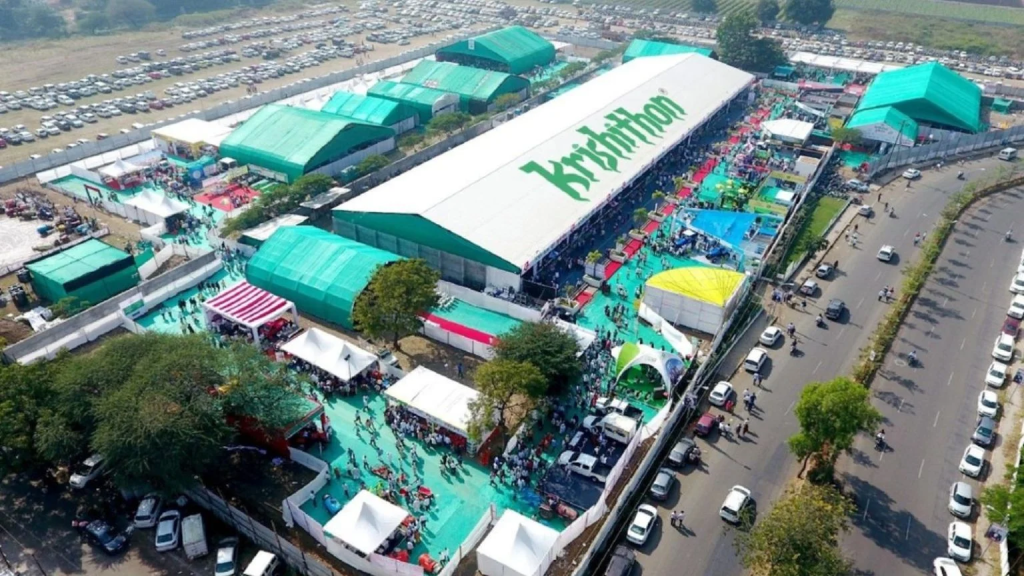
Maharashtra’s Agro-Tourism Policy encourages farmers to develop tourism activities through incentives, training and support measures aimed at rural economic development.
The Maharashtra Tourism Department is promoting the Maharashtra agro-tourism policy to connect agriculture with tourism, increase farmers’ income, and create employment opportunities in rural areas.
The policy allows registered agro-tourism centres to access government support, including registration assistance, training programmes, concessions and financial benefits. The department is encouraging farmers and rural residents across the state to participate in the initiative.
Government support for registered agro-tourism centres
Under the policy, registered agro-tourism centres receive an official certificate from the Tourism Department. The certification helps operators access bank loans and qualify for concessions on GST and electricity charges.
In addition, registered centres receive priority access to the Water Conservation Department’s farm pond scheme. They can also benefit from central and state government programmes related to greenhouses, orchards and vegetable cultivation.
Maharashtra Tourism Minister Shambhuraj Desai said, “The Agro-Tourism Policy is a significant step toward rural development, the financial empowerment of farmers, and the promotion of sustainable tourism. We’ve seen a strong response from across the state, with farmers building real economic strength through agro-tourism.”
Farmers and rural organisations eligible to participate
The Maharashtra agro-tourism policy allows individual farmers, farmer cooperative societies, Krishi Vigyan Kendras, agricultural colleges, agricultural universities and farmer-led partnership firms or companies to establish agro-tourism centres.
Once registered, operators receive training in areas including food safety, hygiene, hospitality, marketing, promotion and visitor management.
The policy requires at least one acre of farmland to establish an agro-tourism centre. Centres planning to host school groups must operate on at least five acres of farmland.
Agro-tourism combines farming and visitor experiences
Registered centres must provide visitors with essential facilities, including drinking water, sanitation, meals, safe accommodation and eco-friendly amenities.
Through agro-tourism activities, farmers are developing additional income sources beyond traditional agriculture. These activities include greenhouse farming, dairy operations, fisheries, nurseries, animal husbandry, nature tourism and wine tourism.
Agritourism
The initiative also gives visitors opportunities to experience farming practices, rural culture, and natural environments while supporting local communities.
Rural tourism development in Maharashtra
The Maharashtra agro-tourism policy forms part of the state’s wider efforts to strengthen sustainable tourism and rural economic development.
By linking agricultural activities with tourism experiences, the programme aims to support farmers, generate rural employment and expand tourism opportunities beyond traditional destinations across Maharashtra, India.