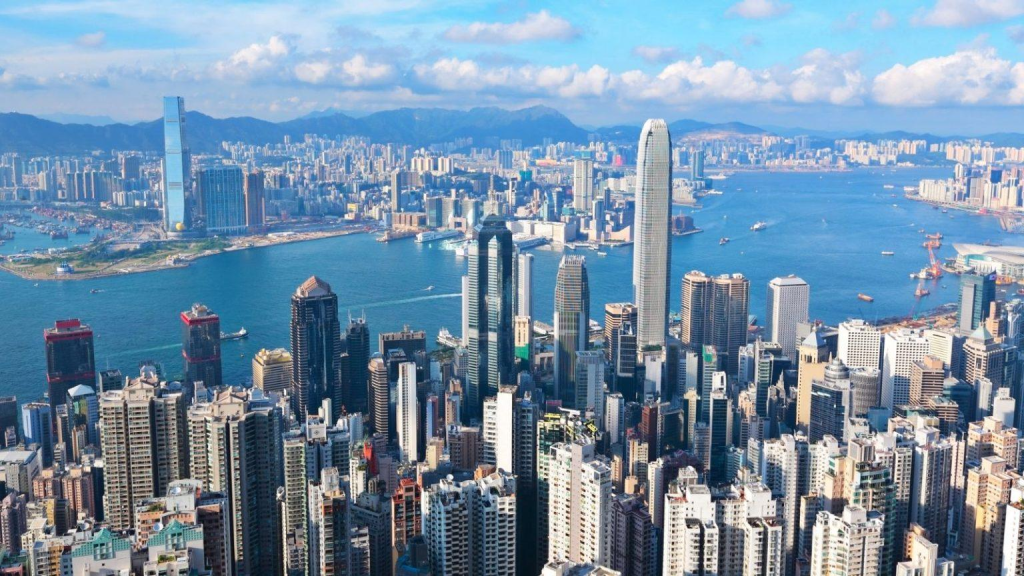
Hong Kong is expanding its tourism strategy around mega events, culture, multi-destination travel, yacht tourism and Muslim-friendly services as visitor arrivals continue to rise.
Hong Kong is strengthening its visitor economy through a broader mix of culture, sport, major events, and regional travel. The Hong Kong tourism strategy forms part of the city’s First Five-Year Plan for 2026–2030 and the 2026 Policy Address. Measures focus on higher-value tourism products, infrastructure and stronger links with Mainland and overseas markets.
The strategy comes as visitor numbers continue to rise. Hong Kong Tourism Board (HKTB) recorded about 36.67 million arrivals in the first eight months of 2026, up 11% year on year. August alone brought 5.46 million visitors, the highest monthly total since the pandemic.
Culture and tourism move closer together
The government plans to strengthen Hong Kong’s position as an East-meets-West centre for international cultural exchange. It will use exhibitions, performances and creative industries to support tourism demand. The wider approach also aims to bring more international cultural activity into the city.
John Lee, Chief Executive of the Hong Kong Special Administrative Region, said:
“Hong Kong is blessed with a unique cultural vision, shaped by both Chinese and foreign influences,” Mr Lee said. “We will continue to engage and collaborate with Mainland and overseas culture, arts and creative sectors to consolidate Hong Kong’s role as a hub for the exchange, collaboration and promotion of culture, arts and creativity. We will also host international cultural and arts exhibitions and performances to attract visitors to Hong Kong.”
The government will also expand its “Film + Tourism” approach. A new Support Unit for Non-local Film Productions will provide one-stop services to Mainland and overseas production teams. HKTB will also develop visitor experiences around Hong Kong films, neighbourhoods and local culture.
Mega events become a stronger tourism tool
Sports and entertainment events form another part of the Hong Kong tourism strategy. Kai Tak Sports Park has already hosted more than 170 international and local sports and entertainment event sessions. These have attracted over 2.6 million spectators.
Tourismindustry reports
The government will also explore redevelopment of Victoria Park Centre Court and nearby facilities. The aim is to create an all-weather, multipurpose venue for larger sports competitions and performances. The project would expand Hong Kong’s capacity to host major events.
Under its wider “+ Tourism” model, Hong Kong plans to connect major events more directly with the visitor economy. HKTB will organise the annual events calendar around international arts, Chinese arts and festive mega-event seasons. The strategy aims to encourage longer stays and greater visitor spending.
Multi-destination travel gains importance
Hong Kong is also positioning itself as a gateway for travellers continuing into Mainland China. More than 20% of overseas visitors travelled onwards to the Mainland through Hong Kong during the first half of 2026. The government plans to deepen cooperation with Mainland provinces and cities while exploring further travel facilitation.
“The proportion of overseas visitors travelling onwards to the Chinese Mainland via Hong Kong has continued to rise, exceeding 20% in the first half of 2026,”
HKTB will promote multi-destination itineraries to overseas visitors and work with airlines on related products. It will also increase international marketing activity. The approach reflects growing interest in trips that combine Hong Kong with other Greater Bay Area and Mainland destinations.
Tourism products expand beyond traditional attractions
The “+ Tourism” programme will combine visitor experiences with finance, heritage, ecological conservation and industrial brands. The government wants these products to give visitors more reasons to explore different parts of Hong Kong. It also plans to connect event attendance with retail and dining activity.
The tourism strategy also includes a stronger “ticket stub economy”. HKTB will connect event organisers with retail, catering and tourism organisations. A new mobile application will bring together offers linked to major-event tickets.
Hong Kong develops yacht tourism and cross-border leisure
Yacht tourism forms another part of the city’s effort to attract higher-value leisure demand. A marina, recreational and residential development in Aberdeen is scheduled for tender in the first half of 2027. SKYTOPIA at Airport City will also include a yacht bay project.
Cross-boundary yacht travel is also expanding within the Greater Bay Area. Since May, Hong Kong and Macao yachts have been able to navigate in nine Mainland GBA cities under new arrangements. A Hong Kong yacht made its first northbound journey in June.
Travel& Transportation
The Marine Department is preparing an agreement with the Guangdong Maritime Safety Administration for southbound Guangdong yacht travel. The initiative is designed to support cross-border leisure consumption and expand the regional marine tourism market.
Muslim-friendly tourism remains a priority
Hong Kong is also extending measures aimed at Muslim travellers. HKTB will continue its Hong Kong Restaurants Halal Certification Funding Scheme until the end of 2027. The programme encourages restaurants to expand halal-certified and Muslim-friendly dining options.
The city currently ranks second among non-Organisation of Islamic Co-operation destinations in the latest Global Muslim Travel Index, according to the Policy Address. Hong Kong has improved its position for two consecutive years.
Strategy targets longer stays and greater visitor value
The overall direction places less emphasis on visitor volume alone. Instead, the Hong Kong tourism strategy aims to connect events, culture, transport, dining and regional itineraries. The government wants these links to encourage longer stays and spread tourism spending across more sectors.
For the travel trade, the strategy creates opportunities around multi-destination packages, event travel and cultural itineraries. Yacht tourism and Muslim-friendly products add further segments to the mix. Together, the measures position tourism as part of a wider economic strategy built around visitor value and cross-sector activity.