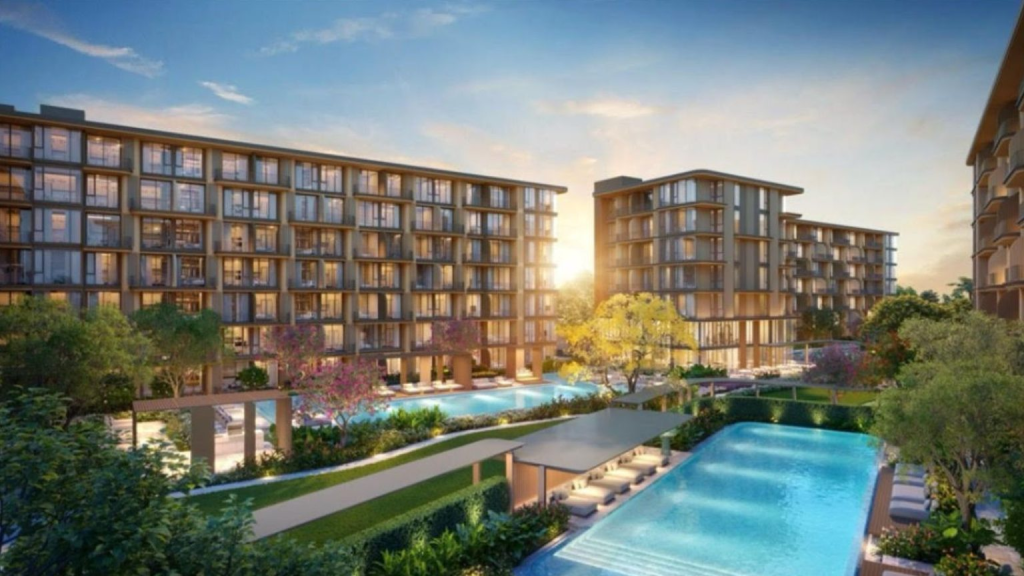
Thailand branded residences reached a market value of USD6.4 billion in 2026, leading Asia in launched supply as demand grows for lifestyle-driven, professionally managed luxury residential developments.
For many years, Thailand has been known for its world-class hospitality, stunning resorts and enviable lifestyle. Today, however, another success story is quietly reshaping the country’s property landscape. Branded residences, once a niche luxury product, have evolved into one of the most dynamic sectors of the real estate market, attracting both domestic and international buyers seeking more than simply a place to live.
The latest Asia Branded Residences Market Review 2026 from C9 Hotelworks reveals just how significant this transformation has become. Thailand now accounts for 26% of all launched branded residential supply across Asia, making it the region’s largest market by volume. The country’s branded residences sector has reached an estimated value of THB205.3 billion (USD6.4 billion), representing year-on-year growth of more than 13%.
What makes these figures particularly impressive is the scale of competition. The report covers 14 countries across Asia, yet Thailand has emerged as the clear leader in launched supply and luxury-tier development.
For those unfamiliar with the concept, branded residences combine private home ownership with the standards, services and prestige associated with recognised hospitality or lifestyle brands. Buyers enjoy professionally managed properties, concierge services, maintenance support and, in many cases, access to exclusive lifestyle privileges.
The concept first gained momentum through luxury hotel brands extending their reputations into residential developments. Today, however, the market is evolving rapidly, attracting fashion houses, automotive brands and other luxury lifestyle companies.

Photo: According to Bill Barnett, Managing Director of C9 Hotelworks, Thailand has become a benchmark market for the entire region
“What stands out is the depth of the luxury pipeline and the range of development formats now entering the market,” he observed.
That diversity is evident throughout the country. Bangkok remains the dominant urban market with more than 5,000 branded residential units. The capital continues to attract affluent buyers seeking the convenience of city living combined with the reassurance of internationally recognised management standards.
Meanwhile, Phuket has firmly established itself as Asia’s leading resort destination for branded residences, with over 3,400 units currently in the market. The island’s appeal continues to draw international investors seeking second homes, retirement properties and lifestyle-focused investments.
Other destinations are also gaining momentum. Hua Hin and Pattaya continue to attract buyers looking for coastal living within easy reach of Bangkok, while Koh Samui is rapidly emerging as the next frontier for branded villa developments.

Photo: One of the most interesting findings from the report is the growing importance of standalone branded residences
Traditionally, branded residences were closely linked to hotels. Increasingly, however, developers are creating independent residential communities that deliver branded experiences without requiring an attached hotel operation.
Thailand now has more than 3,000 standalone branded residence units, accounting for 22% of total supply, above the Asian regional average.
This shift reflects changing buyer preferences. Today’s purchasers are often seeking long-term lifestyle benefits rather than simply a luxury address. They want professional management, wellness facilities, security, travel benefits and community experiences integrated into everyday living.

The market’s evolution is also being driven by increasing sophistication among buyers. As Capstone Asset Chief Executive Officer Titiwat Kuvijitsuwan notes, purchasers are paying much closer attention to what happens after they receive the keys.
Developers are therefore focusing more intensely on operational excellence, service delivery and long-term asset management. A famous brand name alone is no longer enough. Buyers expect tangible value and sustained performance.
Luxury lifestyle partnerships are becoming increasingly important in this competitive environment. Projects associated with prestigious names from hospitality, fashion and automotive sectors are helping developers distinguish themselves in a crowded marketplace.
Examples include high-profile developments such as Porsche Design Tower Bangkok and fashion-inspired branded residences entering resort destinations. These projects demonstrate how branding is expanding beyond traditional hotel affiliations.
Another growing trend is the addition of global lifestyle benefits. Buyers are increasingly attracted by membership programmes, travel privileges and international exchange opportunities that extend the value proposition beyond the property itself.
This reflects a broader shift in luxury consumption. Ownership today is as much about access and experiences as it is about bricks and mortar.
Looking ahead, Thailand appears exceptionally well positioned. The country’s strong tourism sector, established international reputation, favourable lifestyle appeal and diverse destination offering create a powerful foundation for continued growth.
With Bangkok driving urban demand, Phuket leading the resort segment and emerging destinations such as Koh Samui gaining attention, Thailand’s branded residences sector is entering a new phase of maturity.
For investors, developers and buyers alike, the message from the latest research is clear: branded residences are no longer simply an extension of hospitality. They have become a major force within Asia’s luxury property market, and Thailand is leading the way.
As the boundaries between hospitality, lifestyle and residential ownership continue to blur, Thailand’s success in this sector may well serve as a model for the rest of Asia.