Indonesia is strengthening oversight of tourism accommodation providers and online travel platforms as authorities seek to curb illegal villa rentals and improve visitor protection ahead of rising international arrivals.
Indonesian villa rentals are facing tighter regulations as the government moves to crack down on illegal accommodation providers and strengthen oversight of tourism businesses operating on social media and other online platforms.
Widiyanti Putri Wardhana, Indonesia’s Tourism Minister, warned that many villas and short-term accommodation providers continue to operate without the required business permits. According to the ministry, the situation poses risks to travellers, reduces tax revenues, and places licensed accommodation operators at a competitive disadvantage.
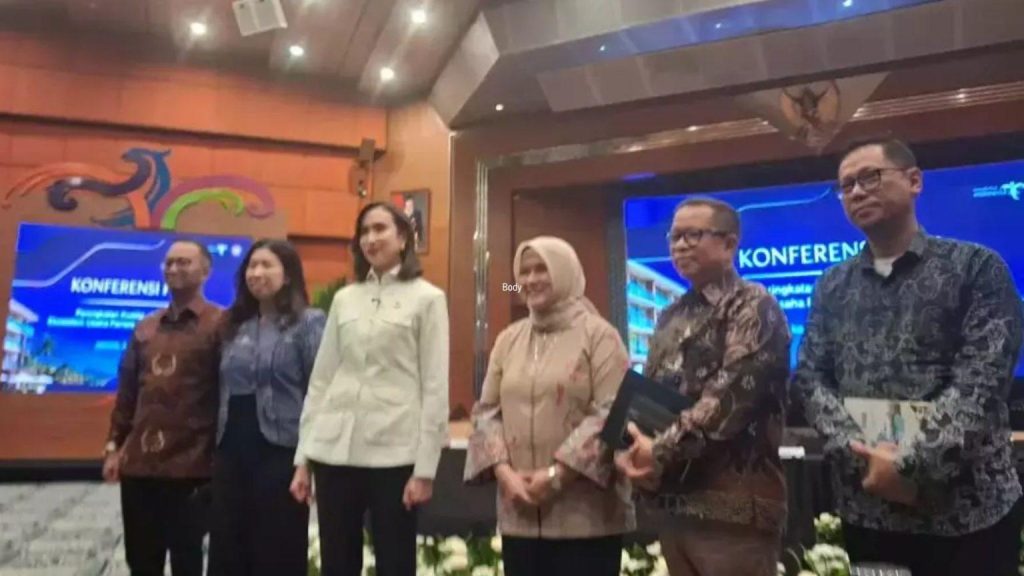
“We once again urge tourism business operators to immediately fulfil their business licensing obligations so they can continue operating legally and sustainably,” said Widiyanti during a press conference on tourism accommodation governance in Jakarta.
Government targets accommodation scams
The Tourism Ministry reported growing concerns about accommodation scams linked to villa rentals marketed on social media.
Authorities have received complaints from hotels reporting lower occupancy levels as travellers increasingly opt for lower-cost villa accommodation. Many of these properties are alleged to be operating without licences and outside the formal tax system.
“We want to improve governance so that security and service quality for tourists can be better guaranteed,” Widiyanti said.
The ministry plans to work with the Trade Ministry and the Communications and Digital Ministry to strengthen monitoring and regulation of accommodation sales conducted through social media platforms.
Authorities in the Special Region of Yogyakarta have already reported an increase in accommodation fraud cases linked to transactions arranged through social media.
The government is advising travellers to use official booking channels and registered travel agents rather than informal social media transactions.
New verification system planned
To improve compliance, the government will introduce an Application Programming Interface (API)-based verification system for accommodation providers.
The transition period will run from 1 June 2026 to 1 June 2027 before the system becomes fully operational.
Once implemented, the platform will automatically verify whether accommodation providers hold valid business licences. Operators without permits may be removed from online booking platforms.
Online travel agencies will receive a two-month grace period to notify non-compliant merchants and allow them time to complete licensing requirements.
Businesses that fail to comply by 1 August 2026 could face delisting from OTA platforms.
OTAs and accommodation providers affected
The Tourism Ministry is working with nine online travel agency partners, including Airbnb, Travelokaand Booking.com, to strengthen governance across Indonesia’s accommodation sector.
The ministry has also conducted six coaching clinics for more than 1,500 tourism business operators in 2026 and introduced merchant and host licensing verification procedures via the Accommodation Business Form.
According to government data, the number of tourism accommodation businesses registered in Indonesia’s Online Single Submission system reached 100,830 as of 20 May 2026. This represents growth of 46.5% compared with 68,830 registered businesses in March 2025.
Villa and apartment hotel operators recorded the strongest increase in registrations, with both segments growing by more than 75%.
Supporting tourism growth targets
The government has also produced licensing guide videos distributed via OTA platforms to help operators understand regulatory requirements.
Indonesia aims to attract between 16 million and 17 million international visitors in 2026, exceeding pre-pandemic levels when the country welcomed approximately 16 million foreign tourists annually.
Authorities view stronger oversight of accommodation, licensing compliance, and consumer protection measures as essential to maintaining traveller confidence and supporting the sustainable growth of the tourism sector.
The government also reminded online travel agencies operating in Indonesia that they must comply with Government Regulation No. 28/2025, which requires OTAs to register as business entities, obtain Business Identification Numbers, secure the appropriate business classifications and maintain offices within Indonesia.