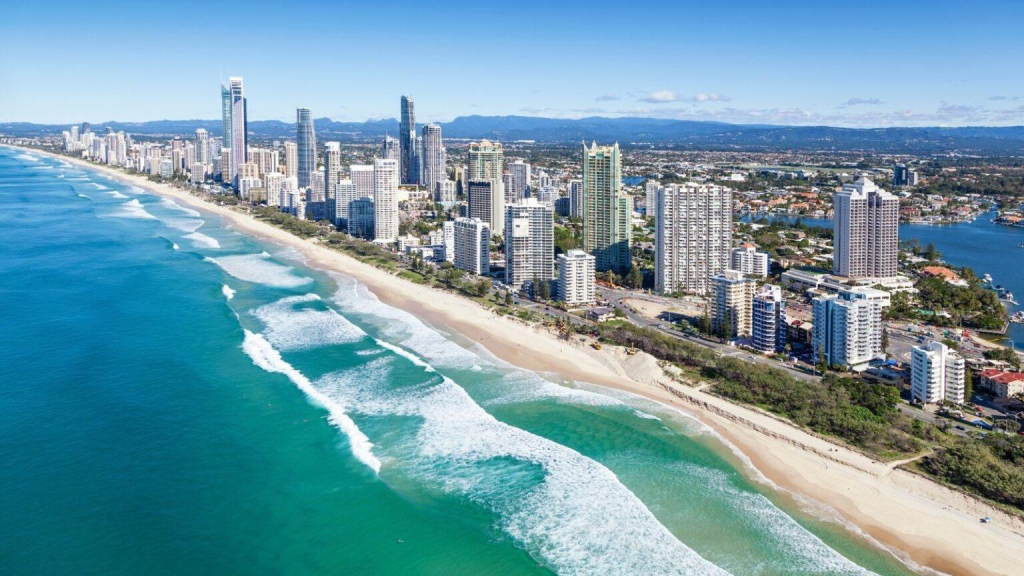
Australia approaches the 2026–27 summer season with expanded international connections, stronger emphasis on national park management and sustainable Great Barrier Reef experiences, creating opportunities for tourism operators.
Australia is preparing for the 2026–27 summer tourism season with new international air services, continued investment in nature-based experiences and growing attention to sustainable tourism operations. Airlines are expanding selected routes into the country, while tourism authorities are promoting responsible visitor management and environmentally certified experiences. These developments are shaping Australia’s summer tourism 2026, particularly for hotels, tour operators and destinations seeking to attract international visitors while protecting natural attractions.
- New and expanded international flights are increasing capacity on selected Australian routes, although national passenger traffic remains uneven.
- New South Wales continues managing access to sensitive national park environments through visitor information, designated trails and advance bookings for certain facilities.
- Queensland is promoting certified eco-tourism, conservation activities and premium nature-based accommodation around the Great Barrier Reef.
International aviation capacity expands ahead of Australia’s summer season
Australia’s peak summer travel period, extending from December 2026 to February 2027, is bringing new opportunities for international airline connectivity. Recent announcements confirm additional services into Western Australia, while other carriers are developing connections through major Asian and international aviation hubs.
In Perth, All Nippon Airways (ANA) has increased its direct Tokyo service from three weekly flights to daily operations. The expanded schedule will continue until 27 March 2027 and is expected to provide more than 20,600 additional inbound seats to Western Australia.
Meanwhile, Jetstar launched a seasonal Christchurch–Perth service on 27 October 2026. Operating three times weekly until 27 March 2027, the route will provide approximately 15,000 inbound seats over the season.
Air New Zealand will introduce another Christchurch–Perth service from 30 November 2026. The three-times-weekly operation is scheduled to continue until 7 May 2027, adding approximately 18,000 inbound seats.
According to the Western Australian Government, the expanded Tokyo services and new Christchurch connections will collectively provide approximately 53,600 additional inbound seats.
Passenger traffic data show a mixed recovery
Despite these route developments, Australia’s international aviation market has performed unevenly in 2026.
According to the Bureau of Infrastructure and Transport Research Economics (BITRE), international scheduled passenger traffic reached 3.873 million in July 2026, compared with 3.896 million in July 2025. This represented a year-on-year decline of 0.6% and marked the fourth consecutive month of falling international passenger numbers.
Nevertheless, the longer-term figures remained positive. During the year ended July 2026, international scheduled passenger movements totalled 45.624 million, up about 5.3% from the preceding 12 months.
Airlines offered 4.843 million international seats in July 2026, representing a 2% annual increase. However, average seat utilisation declined from 83.7% to 82%.
The figures suggest that additional capacity does not automatically generate higher passenger volumes. Furthermore, increased competition does not guarantee lower airfares across all routes, particularly when airlines face higher fuel costs and operating expenses.
New South Wales focuses on sustainable access to national parks
Alongside aviation development, nature-based tourism remains an important part of Australia’s destination offering. In New South Wales, the National Parks and Wildlife Service (NPWS) manages visitor access to protected landscapes through designated walking routes, safety information and booking requirements for selected facilities.
One established attraction is the 27-kilometre Coast Track in Royal National Park, extending between Bundeena and Otford. The route takes approximately two days to complete and passes coastal landscapes, beaches and areas of native vegetation.
Visitors planning overnight accommodation at Garie Beach campground must book in advance because capacity is limited. Meanwhile, NPWS provides downloadable maps through its mobile application and publishes information about trail conditions, closures and safety requirements.
The park also applies vehicle entry fees and may restrict access during adverse weather or periods of fire danger.
However, official visitor information does not confirm the introduction of a new universal daily digital hiking permit system for the Coast Track or other South Coast trails in 2026. Existing campsite reservations and park entry arrangements should not be confused with such a scheme.
Digital visitor services support nature-based tourism management
Digital tools can help national park authorities communicate essential information about visitor access, environmental conditions and travel planning. For tourism operators, reliable information about trail availability and accommodation bookings is particularly important when organising guided itineraries.
In Royal National Park, NPWS provides information on track grading, walking distances, facilities and seasonal conditions. The Coast Track is classified as a Grade 4 route, requiring some bushwalking experience and appropriate preparation.
Meanwhile, infrastructure improvements along the route have included raised pathways and measures to manage erosion in environmentally sensitive areas. These works help protect vegetation while supporting continued recreational access.
For destination management organisations, such arrangements demonstrate the importance of balancing visitor access with environmental protection. However, introducing additional booking restrictions would require clearly documented policies and communication with operators and visitors.
Queensland promotes responsible tourism on the Great Barrier Reef
In Queensland, sustainable tourism is an established part of the visitor experience around the Great Barrier Reef. The destination combines island accommodation, marine excursions and conservation-based activities with internationally recognised tourism certification programmes.
According to Tourism and Events Queensland, more than 70 High Standard Tourism Operators working within the Great Barrier Reef Marine Park hold recognised eco-certifications. The destination also has a significant concentration of environmentally certified tourism businesses.
Tourism and Events Queensland works with the Great Barrier Reef Marine Park Authority and industry partners to support the Master Reef Guide programme. More than 140 guides have completed training through the initiative, which focuses on marine interpretation and professional development.
Additionally, visitors taking part in reef tourism activities contribute through an Environmental Management Charge. Revenue from this mechanism supports the management and conservation of the marine park.
Eco-resorts combine premium accommodation with conservation experiences
Queensland’s island accommodation sector shows how nature-based tourism can be combined with distinctive hospitality experiences.
Lady Elliot Island Eco Resort offers accommodation alongside reef education and conservation activities. Meanwhile, Pumpkin Island, in the Keppel Islands, offers a small-scale island retreat with capacity for about 34 guests.
Other tourism products incorporate reef monitoring, marine biology and visitor participation in conservation initiatives. For example, the eco-certified operator Passions of Paradise offers experiences linked to reef surveys, marine science and coral restoration activities.
In addition, selected operators incorporate First Nations cultural interpretation into reef excursions, allowing visitors to learn about the region’s Indigenous heritage alongside its marine environment.
However, claims that Queensland’s luxury eco-resorts have achieved record advance bookings for the 2026–27 summer season could not be substantiated through published destination-wide occupancy data. Similarly, certification alone does not establish that every resort operates with zero emissions or exclusively renewable energy.
What the summer developments mean for tourism businesses
The combination of aviation connectivity and environmentally responsible experiences presents opportunities for Australia’s tourism industry. Additional international flights can improve access to destinations, while well-managed nature-based attractions provide reasons for visitors to travel beyond major urban centres.
For regional accommodation providers, stronger air connections may increase exposure to international source markets. However, actual visitor spending will depend on passenger demand, onward domestic transport, available accommodation and the competitiveness of tourism products.
Meanwhile, eco-certified operators can differentiate their offerings through recognised environmental standards and conservation-related experiences. Hotels and tour operators may also benefit from partnerships with marine guides, cultural tourism providers and local businesses.
The challenge is to connect these services without overstating environmental benefits or assuming that increased flight capacity will automatically produce higher visitor numbers.
Australia enters the 2026–27 tourism season with opportunities and challenges
Australia’s summer tourism outlook reflects several developments rather than a single nationwide policy shift. Western Australia is benefiting from confirmed additions to international flight capacity, while New South Wales continues managing visitor access to protected natural areas.
In Queensland, established eco-certification programmes and conservation experiences remain central to Great Barrier Reef tourism. Together, these activities demonstrate how aviation, hospitality and nature-based tourism contribute to different parts of the visitor economy.
As the summer season begins, the performance of Australia’s tourism industry will depend on international travel demand, airline operating conditions, environmental management and the ability of tourism businesses to deliver distinctive visitor experiences.