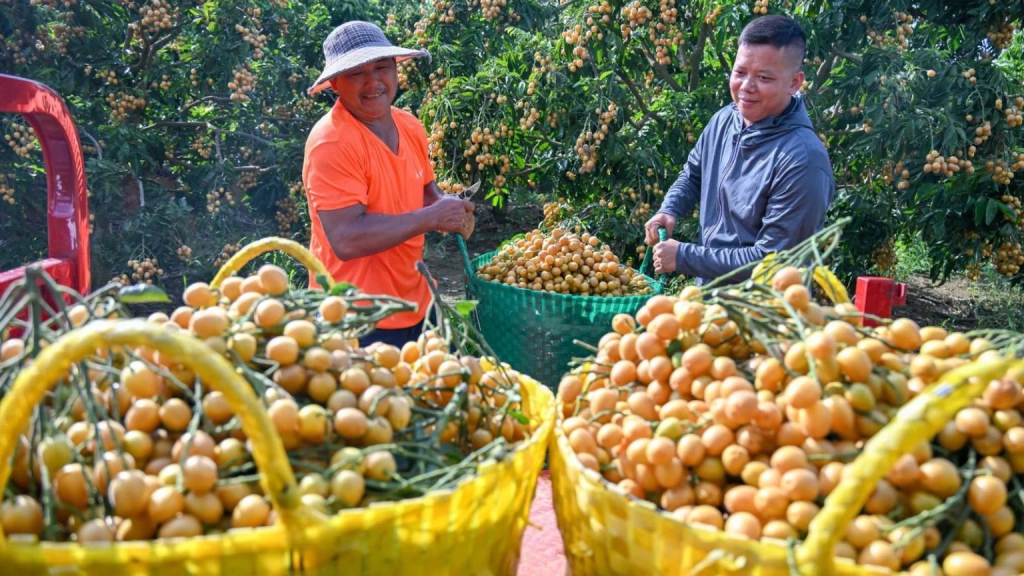
China is using its ninth Farmers’ Harvest Festival to connect agriculture, culture and tourism, supporting rural economies through markets, visitor experiences and permanent tourism infrastructure.
As the country looks for new sources of domestic consumption and regional economic growth, China rural tourism is gaining a more prominent role through the ninth Chinese Farmers’ Harvest Festival.
The nationwide festival brings agriculture, culture and tourism together through 47 central national events and hundreds of local initiatives.
Established in 2018, the Chinese Farmers’ Harvest Festival traditionally coincides with the Autumn Equinox. This year, the main celebrations will centre on Dongjiao village in Zaoyang, Hubei province.
Harvest economy targets domestic travellers
The Ministry of Agriculture and Rural Affairs is using the festival for more than seasonal celebrations. Through the “Golden Autumn Consumption Season”, the initiative aims to stimulate a wider “harvest economy” built around agriculture, tourism and consumer spending. The strategy seeks to attract travellers from major urban centres with experiences based on rural life, food, culture and nature.
Harvest markets form one part of the programme. These outdoor events combine local agricultural products with cultural activities, gastronomy and sporting events.
Tourism infrastructure developed for the festival is also intended to remain in use after the celebrations. Rather than dismantling temporary facilities, the plan is to convert them into permanent tourism centres and visitor service points.
Travel packages will encourage visitors to take part in fruit picking, rural hiking and stays in boutique homestays. Together, these activities are designed to strengthen China rural tourism by turning agricultural areas into year-round visitor destinations.
Hospitalityindustry reports
Zaoyang highlights link between farming and tourism
Selecting Dongjiao village as a central festival venue reflects Zaoyang’s broader shift from agricultural land to a tourism destination. The city is known for its extensive peach orchards and flowering landscapes, which attract visitors during both spring and autumn.
Local authorities have increasingly integrated agricultural assets, including orchards, aquaculture facilities and demonstration farms, into the tourism economy.
The approach aims to direct visitor spending toward local producers and communities while creating additional income beyond traditional agricultural activity. By linking working farms with visitor experiences, Zaoyang shows how agricultural infrastructure can become part of a broader destination product.
Rural revitalisation strategy supports agritourism
The festival also forms part of China’s wider Rural Vitalization strategy, which aims to support economic development beyond the country’s major urban centres. As middle-class travellers seek more nature-based and locally rooted experiences, agritourism is becoming an increasingly important part of the domestic travel market.
Hospitalityindustry reports
The trend, sometimes described as nongcai, combines rural recreation with food, agriculture, accommodation and cultural experiences. Policy support, academic conferences and targeted digital campaigns are being used to expand the sector and increase awareness of rural destinations.
At the same time, boutique homestays and community-based experiences are helping destinations retain more visitor spending within local economies.
Festival positions agriculture as tourism product
The ninth Farmers’ Harvest Festival demonstrates how agricultural heritage can be developed into a higher-value tourism product rather than treated solely as a seasonal economic activity.
For destinations such as Zaoyang, the strategy combines farming with cultural experiences, outdoor activities and local accommodation. The wider objective is to create tourism demand that supports rural communities while giving urban travellers new reasons to explore less-visited parts of the country.
TravelGuides & Travelogues
Through the Harvest Festival and the Golden Autumn Consumption Season, China’s rural tourism is increasingly being positioned as both a domestic travel segment and a tool for regional economic revitalisation.