You know what nobody tells you about getting older? It’s not just about the reading glasses or the early bird specials. It’s about how your entire relationship with travel transforms in ways you never saw coming.
I remember planning vacations in my thirties. The itinerary was packed from dawn to dusk. Museums, restaurants, nightlife, side trips. If we weren’t doing something every waking hour, I felt like we were wasting money. These days, give me a quiet cottage by a lake and I’m perfectly content watching the sunrise with a cup of coffee in hand.
The shift didn’t happen overnight. It was gradual, almost imperceptible. But somewhere along the way, my definition of a good trip changed completely. And if you’re experiencing similar changes in your travel preferences, you’re part of a broader demographic transformation that’s reshaping the entire tourism industry.
When Family Gatherings Become Your Priority
Remember when family vacations felt like obligations ? When you’d rather be anywhere else than stuck at your relative’s beach house making small talk? That perspective flips entirely as you age.
These days, many find themselves actively planning trips that bring everyone together. The multi-generational vacation has become one of the fastest-growing segments in travel. Last summer’s typical scenario might involve renting a house big enough for adult children, their spouses, and multiple grandchildren. Was it chaos? Absolutely. Did someone cry every single day? Probably.
But here’s what makes these trips irreplaceable : they’re not really about the destination. They’re about watching your daughter teach her kids to swim the same way you taught her. They’re about your son grilling while his father-in-law offers unsolicited advice, just like you used to do.
According to recent Census Bureau data, households aged 55 and above are increasingly likely to spend discretionary income on experiences that include multiple family members. The beauty lies in ordinary moments. Breakfast together. Board games after dinner. Teaching little ones to skip stones while their parents get an hour to themselves.
The Art of Strategic Relaxation
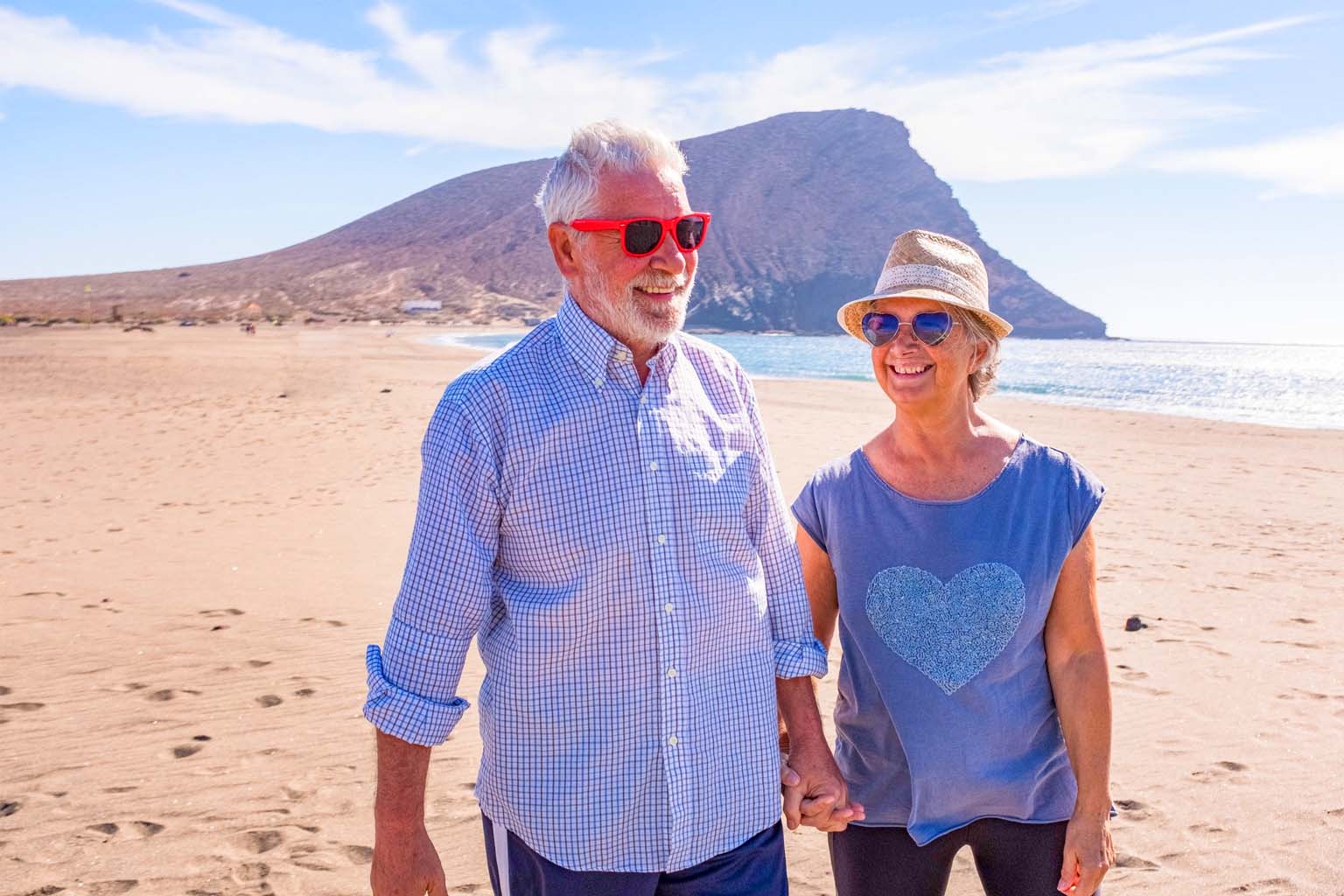
There’s something deeply restorative about a trip where the most strenuous decision you make is whether to read your book in the shade or by the water. No museums to rush to. No landmarks to check off. Just sun, sand, and permission to be completely unproductive.
The pure relaxation vacation represents a fundamental shift in how we view productivity and rest. When you’re younger, relaxation feels like wasted time. But as you age, you realize that doing nothing is actually doing something vital. You’re recharging batteries that have been running on fumes.
“We’re seeing travelers prioritize mental health and genuine rest over packed itineraries” – Travel industry analyst interviewed by Condé Nast Traveler
This isn’t about laziness. It’s about recognizing that your mind needs space to wander instead of constantly being forced to perform. A week spent reading, napping, and watching sunsets can leave you more refreshed than years of action-packed adventures.
Connecting With Your Personal History
As you age, understanding where you come from becomes increasingly important. It’s not nostalgia exactly. It’s more like a pull to connect the dots of your own story.
Heritage travel has exploded in popularity among older adults. Walking the same streets your grandparents walked, seeing the church where they were baptized, visiting the villages they left behind creates connections that transcend typical tourism. There’s something about physically standing in the places your ancestors stood that makes history feel less like dates in a textbook and more like a living thread you’re part of.
These trips aren’t about seeing tourist attractions. They’re about understanding yourself better. About finding pieces of your identity in old graveyards and faded photographs. About carrying stories back to your own grandchildren so they know where they came from.
You become the bridge between past and future. The stories die with you if you don’t seek them out and pass them along.
The Now-or-Never Adventures
Here’s a paradox: as you get older and your body slows down, the urgency to do certain things actually intensifies. That hiking trip through Patagonia? That safari in Tanzania? They start feeling less like “someday” dreams and more like “now or never” realities.
These adventure trips aren’t about proving you’re still young. They’re about honoring the parts of yourself that still crave wonder and challenge. They’re about refusing to let age define what you’re capable of experiencing.
The key is being honest about your limitations while not letting them write you off completely. Maybe you can’t trek Everest base camp anymore, but you can still explore Vietnam. Maybe scuba diving is out, but snorkeling works just fine. You do these trips because you’ve finally figured out that “someday” is a thief, and the only day that matters is today.
The Psychology of Prolonged Presence
Quick weekend getaways lose their appeal when packing and unpacking feels like a workout. Slow travel represents a fundamentally different approach to experiencing new places. Instead of trying to “see everything,” you’re trying to experience what it’s like to wake up in a different place, with different rhythms, and let that seep into your bones.
Renting an apartment for weeks or months, shopping at local markets, developing routines, becoming a regular at a café creates depth rather than breadth of experience. By the end of three weeks in a small Tuscan town, the baker knows your order. You have favorite walking routes. You know which piazza has the best gelato at sunset.
The beauty of slow travel is that it gives you time to reflect. Time to think about your own life back home without the constant distraction of sightseeing. You’re drawn to these trips because efficiency stops mattering as much as depth. You’d rather know one place well than see ten places superficially.
Wellness as Non-Negotiable Priority
Wellness-focused travel isn’t about being trendy or trying to fix yourself. It’s about giving yourself permission to pause and pay attention to the parts of you that get ignored in daily life. Your body. Your stress levels. Your mental clutter.
These trips prioritize quality sleep, nutritious food, movement that feels good instead of punishing, and genuine rest. They strip away all the noise and let you remember what it feels like to just be, without constantly doing. Whether it’s a yoga retreat, a spa destination, or simply choosing accommodations that emphasize relaxation over stimulation.
You start seeking these trips because you’ve learned the hard way that health isn’t something you can take for granted. A vacation that leaves you feeling better than when you started isn’t indulgent. It’s essential. Your body needs care, not punishment, and your travel choices begin reflecting this fundamental shift in priorities.
The often overlooked psychological angle
What conventional travel analyses miss is the profound psychological shift that drives these changing preferences. When you’re younger, travel often serves as escape or achievement. You’re running from routine or collecting experiences like trophies.
But mature travel serves a different psychological function entirely. It becomes about integration rather than accumulation. You’re not trying to prove anything or flee from anything. You’re trying to understand your place in a larger story, whether that’s your family’s history, your own mortality, or your connection to the wider world.
This explains why cultural immersion experiences become so appealing. Taking cooking classes in Thailand, language lessons in Spain, or art workshops in France isn’t just about learning new skills. It’s about participating in culture rather than merely observing it. You’ve accumulated enough life experience to appreciate nuance, and you’re no longer satisfied with surface-level tourism.
The shift toward learning-based travel reflects a deeper truth : education doesn’t stop at retirement. If anything, having the time to actually absorb new skills and perspectives makes these experiences richer than they would have been decades ago.
Perhaps the most significant change is that travel becomes less about what you can extract from a place and more about what you can contribute to your own understanding of life. The destinations start mattering less than the depth of connection you can forge, whether that’s with family, heritage, nature, or different ways of being in the world.