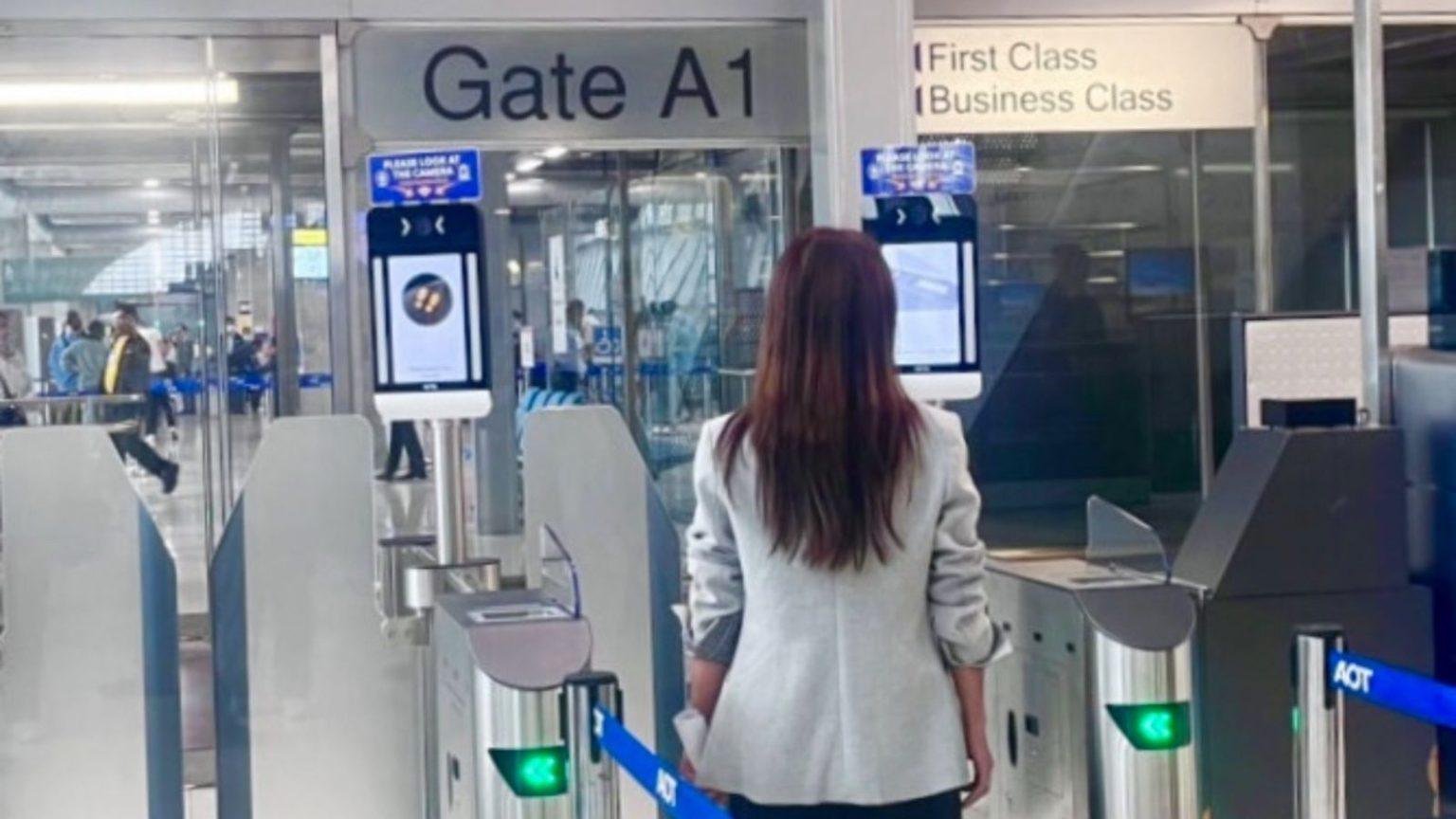
Biometrics at work at Suvarnabhumi Airport in Bangkok
The EU, WTTC, and UN Tourism introduce new global standards for borders, hotels, and destinations to ensure consistency and accountability.
Travel is about to undergo three important shifts, each introduced by a different global body: the European Union with IATA (airports and airlines), the World Travel & Tourism Council (hotels), and the United Nations Tourism agency (destinations and data). These initiatives may sound technical, but this article sets out to educate travellers, managers, and front-line staff about what is happening and why it is important.
At their heart, all three are about consistency, to use the phrase, helping us measure apples with apples. Think of it as creating a Michelin-style guide for tourism, where everyone recognises the same standard, no matter where they go. Without such a common yardstick, airports, hotels, and countries all operate on different terms, making comparison unfair or even impossible.
Biometric Borders and Seamless Travel
Led by: The European Union and the International Air Transport Association (IATA)
The EU’s new Entry/Exit System will soon replace passport stamping with fingerprint and facial scans. At the same time, IATA’s “One ID” programme aims to link check-in, security, and boarding into a single, document-light journey.
Objectives:
- Make border checks faster by introducing digital enrolment.
- Speed up repeat trips once travellers’ biometrics are stored.
- Link the entire airport journey with minimal paper handling.
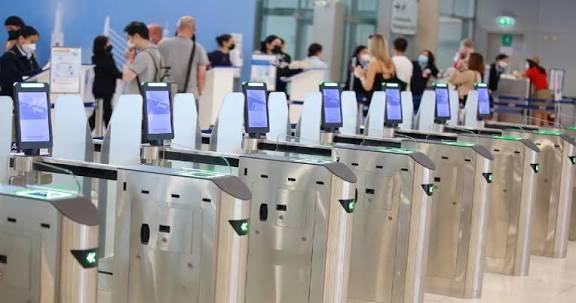
Photo: Biometric gates, a common sight at airports across the globe
Photo: Biometric gates, a common sight at airports across the globe
From personal experience, I have already seen the impact at Bangkok’s Suvarnabhumi Airport, where biometric gates are in place. The first enrolment takes longer, but every trip after that saves minutes rather than seconds when moving through queues. It is not just about efficiency, either. Stronger identification helps guard against those who would use airports for disruption or worse. In an age where security concerns remain high, biometrics serve both convenience and protection.
The litmus test: We will know this shift has worked when first-time enrolments take only a few minutes, and repeat visitors consistently clear airports faster than under the old manual passport system.
2. Hotel Sustainability Basics: A Common Language for Responsible Travel
Led by: The World Travel & Tourism Council (WTTC)
“Hotel Sustainability Basics” is a new set of 12 minimum actions designed for every hotel. These include linen reuse, waste reduction, and tracking water and energy use. Over 5,000 hotels in 80 countries are already on board.
Objectives:
- Establish a universal baseline for responsible hotel operations.
- Offer low-cost verification, especially for independents.
- Give buyers, booking platforms, and corporate clients a single standard to look for.
This is where apples-with-apples comparability really counts. Until now, the sustainability field has been cluttered with competing eco-labels. Guests and companies have struggled to judge which hotel is truly eco-responsible. The Basics provide clarity, simplicity, and fairness. For hoteliers, the benefits are also commercial: as booking sites start to highlight these verified properties, those without recognition may lose visibility or contracts.
Litmus Test (The proof of success): We will know this standard has achieved its goal when major booking platforms use it as a filter, and hotels without verification are disadvantaged in winning business.
3. UN Tourism’s Framework for Measuring the Sustainability of Tourism
Led by: United Nations Tourism (formerly UNWTO)
For decades, tourism has been measured mainly in arrivals and spending. The UN’s new Statistical Framework for Measuring the Sustainability of Tourism (MST) changes that. It requires governments to also account for jobs, community benefits, and environmental impacts such as water use and waste.
Objectives:
- Standardise how all nations track tourism’s impact.
- Allow meaningful global comparisons.
- Link tourism planning to climate policy and community wellbeing.
As the old saying goes: if you can measure it, you can manage it. The MST is about moving beyond headcounts to a richer, fairer picture. For managers and operators, it will mean more data requests and reporting. That may feel like extra work, but the benefit is clear-destinations will be able to design policies based on facts, not assumptions.
Litmus Test (The proof of success): We will know MST has taken root when destinations routinely report not only tourist numbers but also community income, job creation, and environmental impacts, and when those numbers influence real planning.
Why These Three Shifts Count Together

Though they address very different areas, Borders | Hotels | Destinations the three initiatives share a common goal-order, fairness, and comparability in a fragmented industry.
For travel businesses, preparation is essential. Tour operators should brief clients on biometric enrolment and allow more time for first trips. Hotels should review themselves against the 12 Basics now. Operators of all sizes should begin tidying data in anticipation of government requests.
One way to accelerate adoption would be for these organisations to promote friendly competition:,awards for the fastest airports, the most improved hotels, or the most transparent destinations. Recognition can motivate change just as effectively as regulation.
Ultimately, the travel industry is entering an era where convenience, sustainability, and accountability are no longer extras. They are expectations. Those who adapt early will gain trust, efficiency, and resilience.
Connecting the Names to the News
For clarity, here are the formal names once again:
- Biometric borders in Europe: The EU’s Entry/Exit System (EES) and IATA’s One ID.
- Hotel sustainability: The WTTC’s Hotel Sustainability Basics.
- Tourism measurement: UN Tourism’s Statistical Framework for Measuring the Sustainability of Tourism (MST).
I have already felt the difference in Bangkok, where biometric gates save time and manpower at security. These changes may sound like bureaucracy, but they are already becoming part of daily travel. The question is not whether change is coming, but how prepared we are to embrace it.