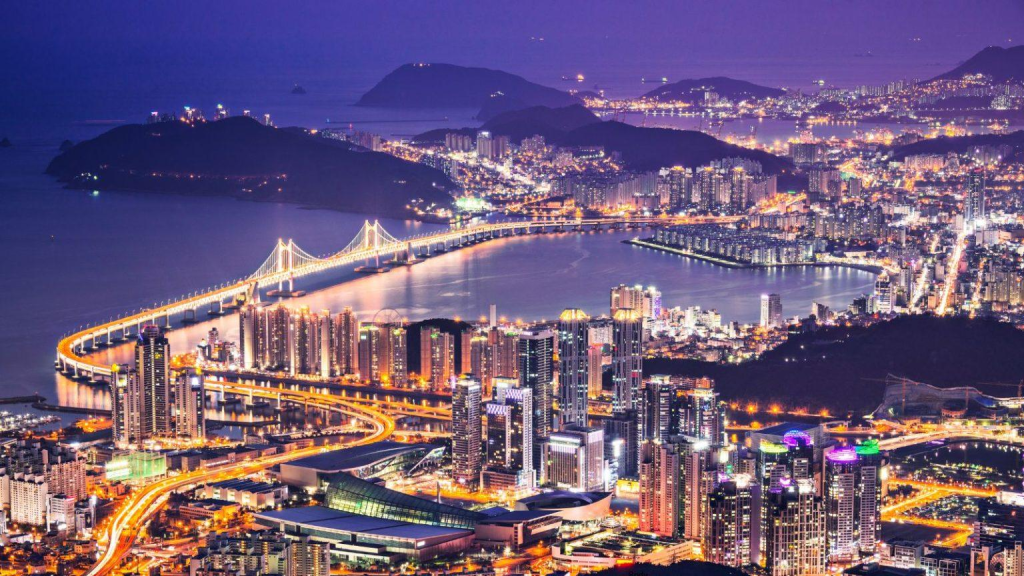
South Korea tourism strategy 2026 introduces regional incentives, anti-price gouging measures and digital transformation to drive high-value, sustainable growth.
South Korea tourism strategy 2026 marks a decisive shift from volume-driven arrivals to a “quality growth” model focused on higher-spending visitors, regional dispersion and digital transformation.
The Ministry of Culture, Sports and Tourism has outlined a comprehensive roadmap aimed at strengthening competitiveness, improving visitor satisfaction and increasing repeat travel. The strategy responds to post-pandemic recovery dynamics and mounting concerns around regional concentration and pricing transparency.
Currently, nearly 80% of inbound visitors concentrate their stay in the Seoul Metropolitan Area. To rebalance visitor flows, the government has committed approximately $150 million to a “Regional Gateways” initiative designed to expand direct international access to secondary cities.
The programme includes subsidies for low-cost carriers to operate direct routes from Southeast Asia and China into airports such as Yangyang, Muan and Gimhae. Authorities expect the move to stimulate regional tourism economies while reducing congestion in Seoul.
In parallel, the upgraded K-Travel Pass 2.0 introduces digital rail and bus discounts of up to 50% for travellers who spend at least two nights outside the capital region. The measure is designed to incentivise longer regional stays and increase tourism revenue dispersion.
Addressing price transparency and visitor confidence
Public complaints regarding overcharging in tourist-heavy districts have prompted the introduction of stricter consumer protection measures. A dedicated “Mystery Shopper” task force of 500 trained agents will monitor pricing practices in key destinations including Myeong-dong and Jeju Island.
Businesses found guilty of overcharging face immediate fines ranging between $3,300 and $6,600, with repeat violations resulting in permanent licence revocation. A mandatory bilingual “Price Display System” in English and Chinese will also be implemented across street markets and food stalls.
The initiative aims to restore visitor trust and strengthen South Korea’s competitive positioning in Asia’s increasingly value-conscious travel market.
Targeting high-value segments
The strategy prioritises long-stay and premium demographics, including digital nomads and luxury cruise travellers.
The existing Digital Nomad Visa will be expanded to include a $1,000 tax credit for individuals who reside for more than three months in designated rural “Workation Centres.” Officials view the programme as a tool to revitalise regional communities while attracting skilled international residents.
Meanwhile, Busan and Incheon ports are undergoing upgrades to accommodate 200,000-ton mega cruise vessels. The government projects that enhanced cruise infrastructure could inject up to $500 million annually into luxury retail, hospitality and dining sectors.
Digital transformation and AI integration
Central to the 2026 roadmap is the launch of the AI-powered “Visit Korea” platform, offering real-time translation services, emergency assistance and a digital price verification tool enabling visitors to scan receipts and confirm fair market pricing.
Officials have emphasised that the broader objective is to increase repeat visitation. As stated during a recent press briefing: “Our goal is a ‘Return Rate’ of over 50%. We don’t want travelers to visit once and leave frustrated by costs; we want them to feel they received $5,000 worth of value for a $2,500 spend.”
Through a combination of regional investment, consumer safeguards, high-value segmentation and digital integration, South Korea tourism strategy 2026 signals a structural recalibration aimed at long-term sustainability and premium market positioning.