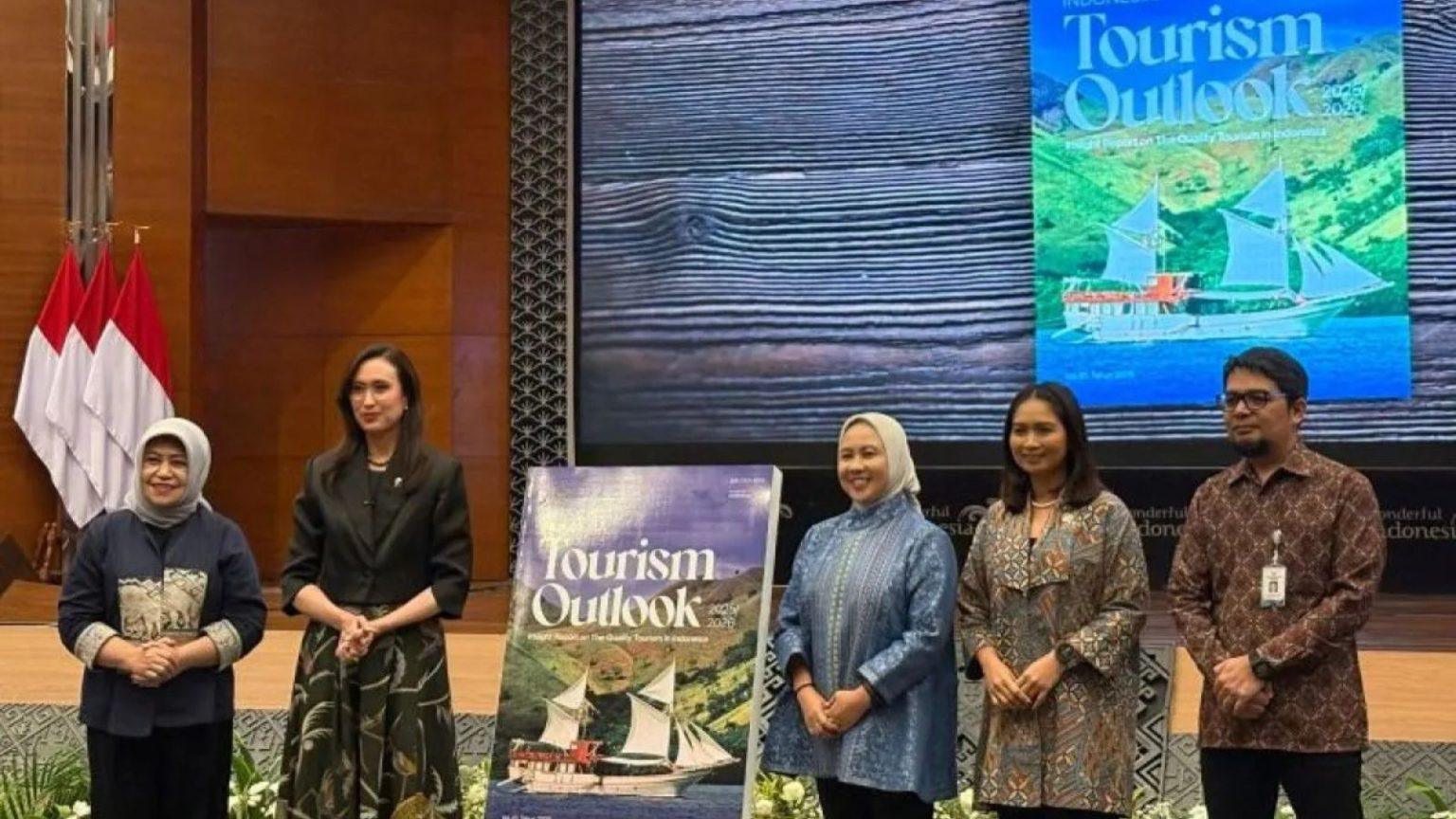
Indonesia introduced its Tourism Outlook 2025/2026, a strategic framework designed to guide national tourism policies through market trends, emerging risks, sustainability priorities, and long-term development goals.
Indonesia Tourism Outlook 2025/2026 marks a pivotal step in shaping the country’s long-term tourism strategy, following its official release by the Ministry of Tourism and Creative Economy in collaboration with the National Development Planning Agency (Bappenas) and Bank Indonesia. Presented in late November 2025, the report provides a structured analysis of domestic and global tourism trends, economic conditions, market risks, and strategic priorities expected to influence the sector over the next two years.
The publication underlines Indonesia’s ambition to transition towards a value-driven tourism model rather than one based purely on volume. It emphasises the need for greater resilience in the face of global uncertainties, including fluctuating economic conditions, shifting travel behaviour, and the rapidly evolving digital landscape shaping tourism marketing, distribution, and visitor services.
According to the institutions involved, the report is designed to serve as a reference point for government agencies, regional authorities, investors, and private-sector stakeholders. It highlights strategic areas where Indonesia intends to concentrate efforts: strengthening experience-based tourism, enhancing human capital, supporting SMEs in creative industries, improving sustainability standards, and boosting competitiveness across secondary and emerging destinations.
Although the report itself does not include public statements or quotations in the available summaries, officials stressed that the initiative reflects a unified commitment to evidence-based policy planning. The development of the Indonesia Tourism Outlook 2025/2026 follows detailed assessments of market dynamics and aims to provide guidance on balancing economic growth with environmental stewardship and cultural preservation.
From a business perspective, the document signals that Indonesia will continue to support market diversification, invest in digital readiness, and promote products aligned with global demand for sustainability, authenticity, and higher-quality tourism experiences. For industry professionals, operators, and investors, the Indonesia Tourism Outlook 2025/2026 offers a clear indication that the government is prioritising long-term stability and competitiveness within a rapidly changing global tourism environment.