Business Traveller has revealed the winners of the top five best airports in the world as per travellers for the year 2025.

Airports have become more than just transit zones, and they now act as extensions of the travel experience, offering comfort, culture, dining, wellness, and efficiency in ways that shape a passenger’s overall journey.
Travellers view airports not just as terminals, but as spaces where time is valuable, where seamless movement matters, and where a calm, well-curated environment can transform the hassle of travel into something almost pleasurable.
Best Airports in the World in 2025
In 2025, Business Traveller’s ranking of the world’s best airports highlights five destinations that excel in all these aspects. These airports have consistently pushed boundaries with advanced architecture, intuitive layouts, creative dining and retail, and lounge experiences that rival boutique hotels.
Each one caters to travellers who value efficiency but also appreciate touches of luxury and attentive design, and here is a look at who makes the ranking for the year.
1. Changi International Airport, Singapore – SIN

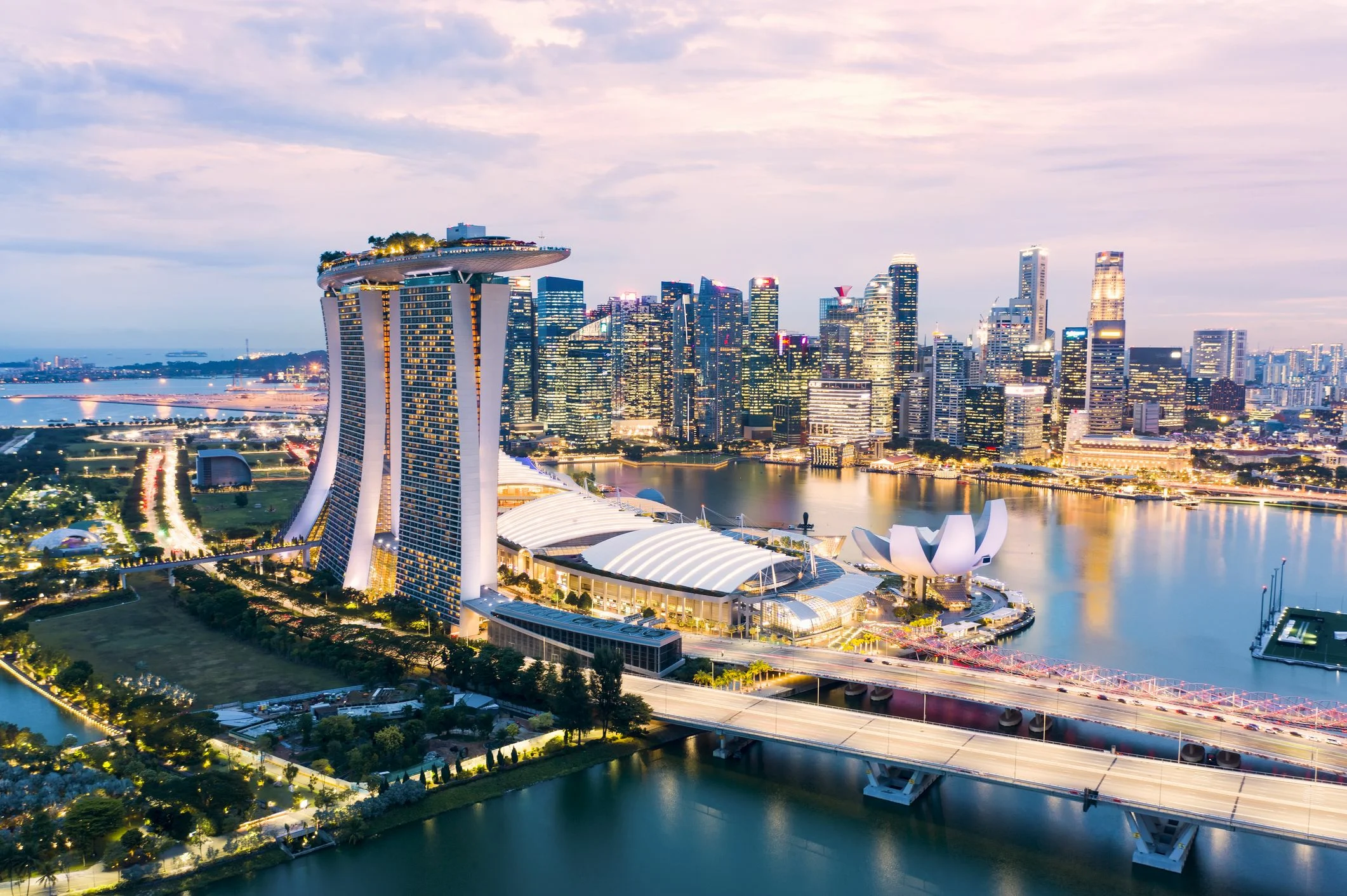
Singapore Changi Airport once again claims the top position as the Best Airport in the World, reaffirming its long-held title as the global gold standard in airport design and passenger comfort. More than an airport, it is an experience that blends retail, nature, entertainment, and efficiency in a way no other terminal has been able to replicate at the same level.
The airport’s standout feature continues to be Jewel Changi, home to the Rain Vortex, the world’s tallest indoor waterfall, surrounded by terraced gardens and forest-like walking trails. For business travellers, this massive glass complex offers a soothing escape from the stresses of transit, while also housing premium shopping, excellent dining, and comfortable working spaces.
Changi’s terminals are designed for intuitive navigation, with clear signage, abundant seating, scalable security lanes, and some of the world’s most reliable baggage-handling systems. The airport’s lounges are consistently ranked among the best, while sleep pods, shower rooms, and quiet zones make even long layovers comfortable for economy class travellers too.
From butterfly gardens to art installations, from spotless restrooms to efficient immigration counters, the airport embodies luxurious and seamless travel.
2. Hamad International Airport, Doha – DOH

Doha’s Hamad International Airport secures second place, standing out as one of the most architecturally striking and luxurious airports in the world. It blends space, style, and forward-thinking design, with soaring ceilings, art installations, and wide-open terminal spaces that eliminate the typical airport congestion.
The airport has developed a reputation for its smooth passenger flow, with efficient security and an intuitive layout that makes transfers exceptionally easy, even during peak travel periods. The addition of Orchard, a lush indoor garden space with natural light and cascading greenery, has added a new layer of calm to the airport’s overall atmosphere.
For premium travellers, the airport’s lounges are among the most highly rated globally, offering fine dining, rest suites, spa facilities, and quiet work areas.
Hamad International also excels in providing tech-driven convenience. Biometric systems, self-service kiosks, and digital information displays allow travellers to navigate quickly. Combined with a curated selection of high-end retail, wellness centres, and excellent dining, it deservedly bags second spot in the Business Traveller rankings.
3. Istanbul International Airport, Istanbul – IST

Istanbul Airport takes third place with its remarkable scale and modern functionality. As one of the largest airports in Europe, it manages heavy traffic with efficiency thanks to its spacious layout, state-of-the-art runways, and automated systems that are designed for high capacity without overwhelming travellers.
The terminal architecture is impressive, featuring sweeping interiors, stylish lighting, and extensive seating even during peak hours. The lounges contribute significantly to the airport’s reputation, offering everything from international dining stations to private work areas, family zones, entertainment rooms, and expansive relaxation spaces.
The airport is also committed to improving transfer experiences, an area where passengers have seen noticeable upgrades over the past year. Movement between gates, security repositioning, and signage clarity have all been enhanced, reflecting the airport’s ongoing development.
Istanbul sits at a crucial global crossroads, and the presence of excellent amenities, including shower rooms, wellness options, dedicated business corners, and a growing portfolio of high-quality dining outlets. Some leading facilities combined make it worthy of a mention in Business Traveller’s best airports this year.
4. Hong Kong International Airport, Hong Kong – HKG

Hong Kong International Airport earns fourth place as one of Asia’s most consistently reliable and efficiently managed hubs around the world. It has long been known for its passenger-friendly design, streamlined operations, and high standards of cleanliness.
The terminals are spacious and airy, with excellent natural lighting and clear infrastructure that makes moving through the airport remarkably easy. The lounges remain world-renowned for their hospitality, relaxation areas, premium dining, and elegant interiors.
HKG also offers a particularly strong retail and dining experience, representing both local Hong Kong flavours and international brands.
Transit passengers benefit from the terminal’s calm, polished environment, while longer layovers are supported by amenities such as rest zones, shower facilities, and excellent connectivity into the city.
Despite stiff regional competition, Hong Kong International continues to shine due to its well-trained staff, reliable operations, and an overall travel experience that feels effortlessly efficient.
5. Kuala Lumpur International Airport, Kuala Lumpur – KUL

Kuala Lumpur International Airport secures the fifth spot with its blend of spacious architecture, warm Malaysian hospitality, and steadily improving facilities. Known for its airy interiors and tropical-inspired design, it feels welcoming upon arrival, offering a gentle balance between modernity and cultural character.
The terminal layout is generally intuitive, and passengers benefit from smooth immigration processes, competent ground staff, and plenty of seating. KLIA’s dining options feature a mix of Malaysian favourites and international cuisine, giving travellers opportunities to enjoy regional flavours even during short transits.
The airport also houses several comfortable lounges, which are renowned for their food quality, rest areas, and service consistency. Improvements in baggage flow and updated signage have also helped KLIA regain momentum in the international rankings.
What sets KLIA apart is its understated calm and cultural warmth, qualities that make the hub feel less like a bustling transit centre and more like a relaxed gateway into Southeast Asia.
Bottom Line
In 2025, the world’s best airports are those that deliver a seamless blend of efficiency, creativity, and comfort.
These top five hubs across the world demonstrate that great travel begins long before takeoff. With thoughtful layouts, meaningful amenities, and an emphasis on passenger well-being, they set the benchmark for global aviation excellence.