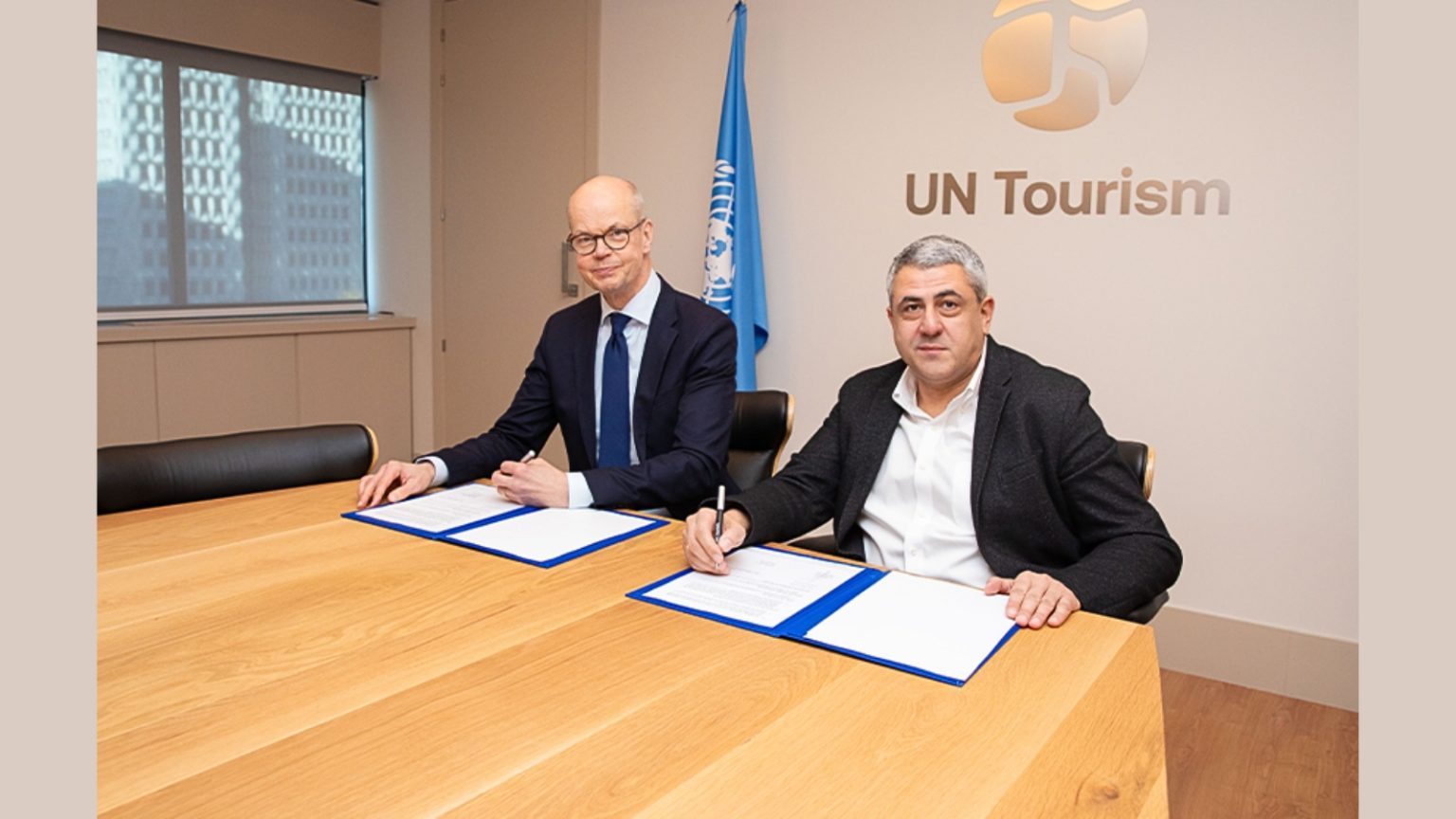
UN Tourism and the International Baccalaureate Organization have signed an MoU to broaden tourism education at high school level, focusing on skills development, capacity building and closer alignment with industry needs.
UN Tourism and the International Baccalaureate Organization (IB) have entered into a new partnership aimed at expanding access to tourism education at high school level and better preparing young people for careers in the sector.
Under a newly signed Memorandum of Understanding, the two organizations will work together on initiatives designed to increase both the provision and the quality of tourism-related learning in schools globally. For tourism and hospitality stakeholders, the collaboration signals a more structured approach to building future talent pipelines from secondary education onwards.
The partnership will focus on three main areas: joint exploration of initiatives to enhance the skills and knowledge of young tourism students, joint exploration of capacity-building and professional development opportunities for young students interested in tourism, and ongoing dialogue on additional areas of mutual interest at the intersection of tourism and education.
UN Tourism Secretary-General Zurab Pololikashvili underlined the importance of early-stage education for the sector’s long-term development, stating: “Quality tourism education for all is key to supporting young people and allowing them to work and thrive in our sector. With the International Baccalaureate Organization, we will work to allow high school level students develop the skills and knowledge that tourism businesses are looking for.”
IB Director General Olli-Pekka Heinonenhighlighted the broader role of education and tourism in a globalised economy: “Education plays a critical role in shaping industries, connecting people, and fostering responsibility in a shared global economy, while tourism brings cultures, economies, and communities together. This partnership with UN Tourism will help the IB expand opportunities for young people to develop real-world skills in a rapidly growing sector.”
For travel and hospitality professionals, the agreement opens the door to a closer alignment between high school curricula and the competencies needed in modern tourism – from service and intercultural skills to sustainability, destination stewardship and entrepreneurship. It also creates a framework under which the industry can, over time, collaborate more systematically with schools and IB programmes to showcase career paths, support learning projects and engage the next generation of tourism workers and leaders.