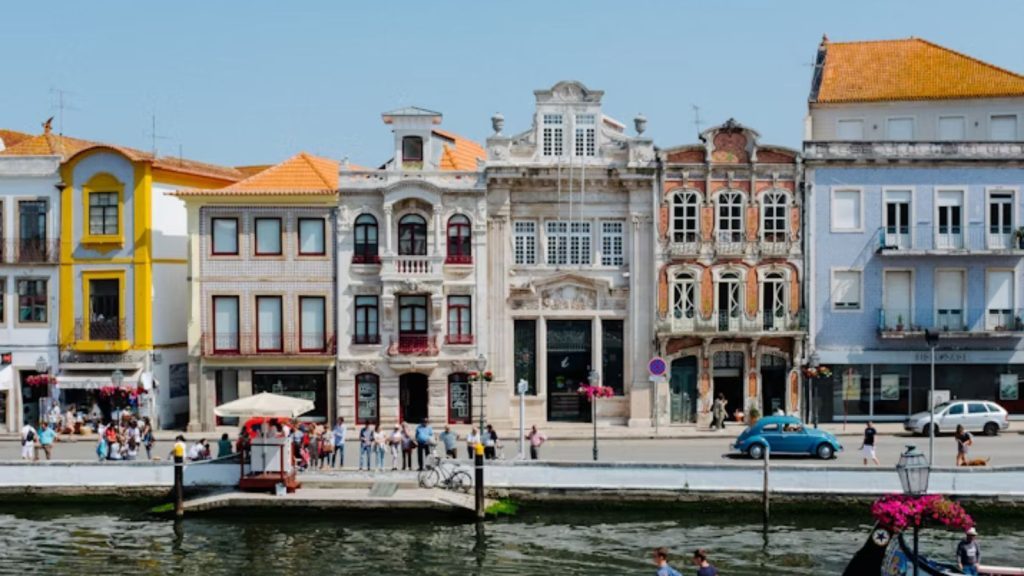
Portugal offers various visa options, including the Golden Visa, D7, and Digital Nomad Visa, granting residency, EU access, and a path to citizenship
Portugal offers different visa options. Some are for short visits, others for long-term stays. Investors, workers, retirees, and digital nomads have specific routes. Understanding the right option helps in planning a move to Portugal.
Zlata Erlach, Head of the Austrian office, Caribbean Investment Programs Expert at Immigrant Invest, explains Portugal residence permit types and application process.
What is Portugal Residency?
Portugal residency allows non-EU citizens to stay long-term. The country issues visas for different purposes. Some lead to permanent residency and citizenship. Common visa categories include investment, work, study, and retirement.
Portugal Visa Requirements for Investors
Investors can obtain residency through the Portugal Golden Visa. This visa requires an investment in real estate, business, or funds. Main requirements include:
- Minimum investment of €250,000 in culture or €500,000 in investment funds.
- Lower investment thresholds for urban rehabilitation or scientific research.
- A clean criminal record.
- Proof of legal income.
- Staying in Portugal for at least seven days per year.
How to Get a Visa in Portugal by Investment
Applying for a Golden Visa follows clear steps:
- Choose an investment route. Real estate, funds, or business investment.
- Gather necessary documents. Passport, proof of funds, tax identification number, and health insurance.
- Make the investment. Funds must be transferred from a legal source.
- Submit an application online. The process starts through AIMA, Agency for Integration, Migrations and Asylum of Portugal.
- Provide biometrics. Fingerprints and photos are taken in Portugal.
- Receive approval. First residency permit is valid for two years, renewable for three more.
- Apply for permanent residency or citizenship. Possible after five years of legal stay.
Other Portugal Visa Types
Besides the Golden Visa, Portugal offers several other visa options. These include:
● D7 Visa. For retirees and financially independent individuals. Requires passive income.
● Digital Nomad Visa. For remote workers earning at least €3,480 per month.
● D2 Visa. For entrepreneurs and business owners setting up in Portugal.
● Student Visa. For those enrolled in Portuguese universities.
● Work visa. For professionals with a job offer from a Portuguese employer.
● Family reunification visa. Allows family members of residents to join them in Portugal.
● Startup Visa. Designed for entrepreneurs looking to establish innovative businesses in Portugal.
9 Benefits of Living in Portugal
- Access to the EU. Portuguese residents travel visa-free within the Schengen Area, making it easy to explore Europe without restrictions.
- Path to citizenship. After five years, residents can apply for a Portuguese passport, gaining access to over 190 visa-free destinations.
- Quality of life. Good healthcare, education, and public services contribute to a high standard of living.
- Mild climate. Warm summers, mild winters, and abundant sunshine create a pleasant environment year-round.
- Affordable living. Lower cost of living compared to other Western European countries allows residents to enjoy a comfortable lifestyle.
- Business opportunities. A growing economy with a strong startup scene attracts entrepreneurs and investors.
- Real estate investment potential. Attractive property market with high rental yields and potential for long-term appreciation.
- Safety and stability. Portugal ranks as one of the safest countries in the world, offering a secure environment.
- Excellent infrastructure. Well-developed transport systems, modern highways, and high-speed internet access support business and daily life.
Cost of Living in Portugal
Living in Portugal is affordable compared to many European countries. Expenses depend on location, but general costs include:
- Rent. €600—€1,500 per month, depending on the city.
- Groceries. Around €250—€400 per month for a couple.
- Dining out. A meal at a mid-range restaurant costs €10—€20.
- Transportation. A monthly public transport pass costs about €40.
- Healthcare. Public healthcare is low-cost, while private insurance costs €50—€100 per month.
Conclusion
Portugal provides different types of visas in Portugal for investors, professionals, and retirees. The Golden Visa remains the most popular choice for high-net-worth individuals. Other visa options cater to entrepreneurs, remote workers, and students. Residency in Portugal offers long-term benefits, including a path to citizenship and access to the EU. The country also provides tax advantages and a lower cost of living compared to other European destinations.