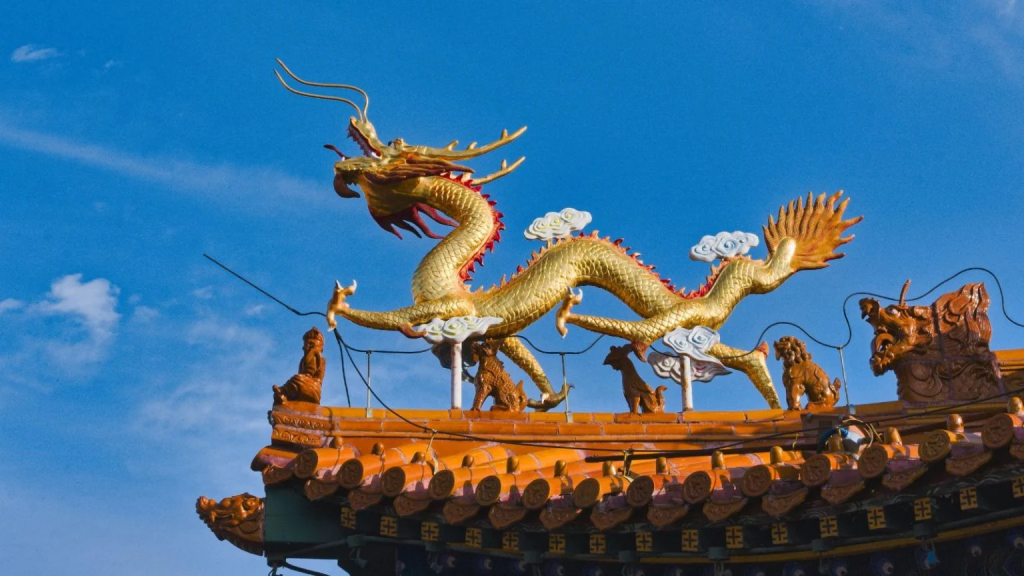
China has launched a nationwide tourism consumption campaign and expanded transport capacity ahead of an extended 13-day holiday combining Mid-Autumn Festival and National Day.
China has launched a nationwide campaign to increase cultural and tourism consumption ahead of the 2026 National Day holiday, while transport operators are adding capacity for an extended holiday period expected to generate high domestic and international travel volumes.
The Ministry of Culture and Tourism launched the National Day Cultural and Tourism Consumption Month on 22 September. The campaign runs from late September through the end of October and covers the three-day Mid-Autumn Festival holiday from 25 to 27 September and the National Day holiday from 1 to 7 October.
Local governments across China are planning more than 20,000 cultural and tourism events during the campaign and will distribute more than 310 million yuan (approximately US$45.9 million) in consumer vouchers and subsidies to encourage travel and tourism spending.
The measures cover a range of tourism and cultural activities, including scenic-area visits, family travel, autumn outings, red tourism, study trips, nighttime entertainment and food-related activities connected with intangible cultural heritage.
The 2026 holiday calendar allows the two public holidays to be combined into a 13-day break from 25 September through 7 October, following three working days between the Mid-Autumn Festival and National Day holidays.
According to Reuters, China Railway has introduced a 16-day peak transport period and is adding high-speed and overnight services to accommodate increased demand. The Civil Aviation Administration of China has also scheduled additional flights for the combined holiday period.
China’s National Immigration Administration has projected average daily cross-border passenger flows of more than 2 million during both holiday periods, with the busiest day expected to record more than 2.4 million inbound and outbound passenger crossings.
Before the holiday period, the National Immigration Administration estimated average daily cross-border traffic at approximately 2.25 million trips during the Mid-Autumn Festival holiday and about 2.15 million per day during the National Day holiday.
Travel demand is also extending beyond China’s domestic market. Reuters reported that Chinese travellers are booking longer holidays and travelling farther from home, with demand reported for destinations in Europe, Central Asia and Oceania.
Data from travel platforms cited by Xinhua showed that tours lasting 10 days or more accounted for 26 percent of bookings ahead of the extended holiday, while flight reservations for leading international destinations had increased by more than 20 percent year on year.
Trip.com Group data showed that bookings for hotel stays of seven nights or more had increased 123 percent year on year for the extended holiday period, while multi-destination itineraries had risen 84 percent. More than half of outbound flight bookings were scheduled to depart before 1 October.
The longer holiday is taking place against a backdrop of cautious consumer spending. Reuters reported that average tourism spending per trip during China’s 2025 National Day holiday was 911.04 yuan, the lowest three-year average according to its calculations based on government data.
Travel agencies reported strong demand for long-haul trips, including Spain, Portugal, the Balkans, Northern Europe, Greece and New Zealand, while routes to Central Asia, the Caucasus and Australia were also reported to have sold out ahead of the holiday.
The Chinese government has also been pursuing broader measures to increase tourism and service consumption. A five-year consumption plan approved in July includes measures to develop cultural and tourism consumption, expand inbound consumption and improve services for international visitors.
Separately, Chinese authorities said in September that inbound tourism would remain a policy focus during the 2026-2030 period, with measures covering visas, payments, tax refunds, guided tours, accommodation and transport.
China recorded 154 million inbound tourist trips in 2025, according to the Ministry of Culture and Tourism, while spending by inbound travellers exceeded US$130 billion.
During the first eight months of 2026, China’s border inspection authorities handled 499 million inbound and outbound trips, an increase of 8.7 percent year on year. Foreign nationals accounted for nearly 61.29 million border crossings during the period, up 19.5 percent from a year earlier.
The latest tourism-consumption campaign is part of the government’s wider measures to increase service consumption, with tourism being combined with cultural activities, dining, entertainment, sports and other consumer services during the extended holiday period.