Rising fuel costs and regulatory issues are shuttering low-cost airlines throughout the globe
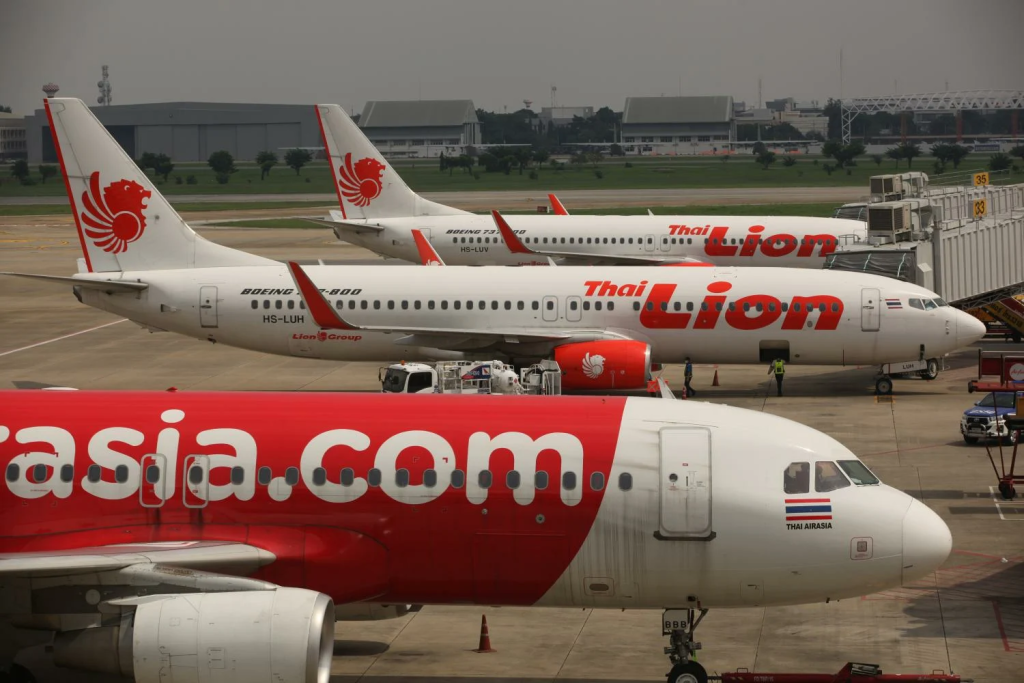
Maintaining profitability and staying operational in the face of an economic crisis are two major challenges for the global aviation sector, but more so for low-cost carriers.
Over the past six months, we have seen the end of operations for US carrier Spirit Airlines, and budget airline Royal Air Philippines, as well as declarations of bankruptcy for Mexico’s Magnicharters, Slovenia’s Alpavia, and Swedish charter air services provider H-Bird Aviation Services.
Increased competition in the field is one thing, but a noticeable shift in traveller preferences for premium flight experiences coupled with the soaring cost, no pun intended, of jet fuel appear to be ringing in the changes for the sector.
We thus have to ask: will global low-coast carriers be able to weather the crisis, or are we now looking at its ride into the sunset?
Challenges to consider
In February, industry watchers predicted a bumpy ride for low-cost aviation for much of this year, though commercial aviation overall was expected to turn a record profit of US$41 billion by the end of the year.
This month, however, the industry is singing a bluer tune as it gathered in Rio de Janeiro for the annual general meeting of the International Air Transport Association (IATA).
As IATA director-general Willie Walsh put it: “Forward schedule data is showing a reduced offering in the coming months, indicating that airlines are balancing high fuel costs and weaker demand.”
The triple threat of higher fuel prices, the still-unresolved issues involving the global aviation supply chain, and the shifting preferences of today’s travellers is the hurdle that low-cost players need to jump over if they are to get through H2-2026.
In which case, survival could force these airlines into a major paradigm shift away from their thin, volume-driven margins; and, no: raising the cost of one’s plane seat is not going to help in the long run.
It may cost more now, but gradually shifting to a full-service operational model could be the key to survival.
Indeed, a number of low-cost carriers have actively pushed ancillary revenues by offering premium services to their clientele as passengers have tired of the no-frills flight metier and, in the face of the growing preference for immersive experiences, want meals, more comfortable seats, and other amenities in flight.
Likewise, it is actually more challenging to sustain the no-frills operational model in an increasingly inflationary environment.
When travellers opt for the scenic route
To complicate matters further, we may see a tapering off in demand for domestic aviation, a segment that has been the bread-and-butter of many budget airlines, as countries roll out comfortable high-speed railway options that can get travellers to local destinations faster in a more scenic manner.
While experts say that the rise of high-speed rail travel will not cause the end of the domestic aviation segment, it will significantly clip its wings.
In China, for example, high-speed rail stands to decrease the number of people flying to in-country destinations by up to 28.2 percent; and the introduction of the Wuhan-Guangzhou high-speed railway system led to a drop of 45 percent in air travel between the two provinces.
However, given that high-speed rail travel is limited by geography and requires massive population density to ensure its economic viability, domestic flights via low-cost carriers will remain a vital way of getting around, especially for archipelagic regions and those with massive distances between key regions.
But the fact remains: it is going to be a challenging six months for budget airlines, and their survival is highly dependent on what direction the global economy takes from here on out.