The latest addition to the ASEAN roster could become a key player in regional travel and tourism
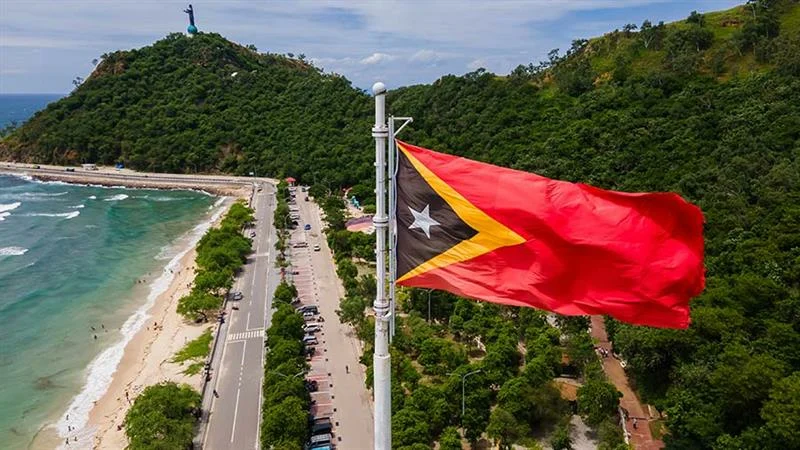
Small but significant, the recently-minted nation of Timor-Leste made history in October of last year when it became the 11th member state of the Association of Southeast Asian Nations (ASEAN).
Since then, the country’s development has been under the microscope as experts ponder the direction it would choose to take for its further economic and societal growth.
Tourism is one area that has piqued the interest of authorities, industry specialists, and the general public; after all, the region is home to some of the most attractive nations for global tourists.
In which case, what can Timor-Leste do to draw the interest of global travellers, encouraging them to make the shift from better-known destinations to the newest addition to the regional roster?
Indeed, what would it take to transform Southeast Asia’s least visited nation into a game-changing global attraction?
A unique nation requires an equally unique market
If there is anything Timor-Leste can boast of, it would be its rich, bio-diverse environment paired with its unique mix of Portuguese colonial and indigenous cultures.
With that said, the country can easily position itself into the niches for regenerative tourism, as well as culture-centric experiential tourism.
The numbers could be significantly smaller than, say, those for Thailand and Indonesia, but these would be travellers seeking quality experiences as opposed to scratching something off a checklist.
At present, the national government hopes to attract up to 200,000 tourists per annum through ecotourism and cultural tourism offerings.
What’s coming into play
In order to elevate the country’s profile in this sphere and to reach out to a broader spectrum of markets, relevant authorities need to consider the following potential drivers:
- Leveraging membership in ASEAN Far from being just a token membership, the fact that Timor-Leste is now a card-carrying part of ASEAN enables it to lend its voice to the development of regional tourism strategies, as well as to join marketing initiatives with neighbouring states;
- Infrastructure development As of press time, the Timor-Leste government has commenced with the modernisation of its primary gateway, the President Nicolau Lobato International Airport in Dili. On completion by 2028, the airport will be able to meet the needs of up to one million passengers a day. The country is also stepping up its accommodations game through talks with leading hospitality providers;
- Increased connectivity At the same time, global carriers are expanding their networks to include the country; to date, these include Batik Air which flies from Kuala Lumpur and the national carrier Aero Dili which has expanded its services to include flights to and from Xiamen, China; and
- Truly immersive ecological and cultural experiences Even before its inclusion in ASEAN, Timor-Leste’s location in the Coral Triangle has drawn in marine biologists and aquatic wildlife enthusiast with some of the most biodiverse waters in the world. Indeed, the seas surrounding the nation are home to more than 1,200 reef fish species, and are on the migratory route for marine mammals like dolphins and whales. Likewise, the country also leverages its unique cultural heritage which weaves together endemic Malayan traditions with Portuguese influences.