How ETA Is Changing Travel to the UK
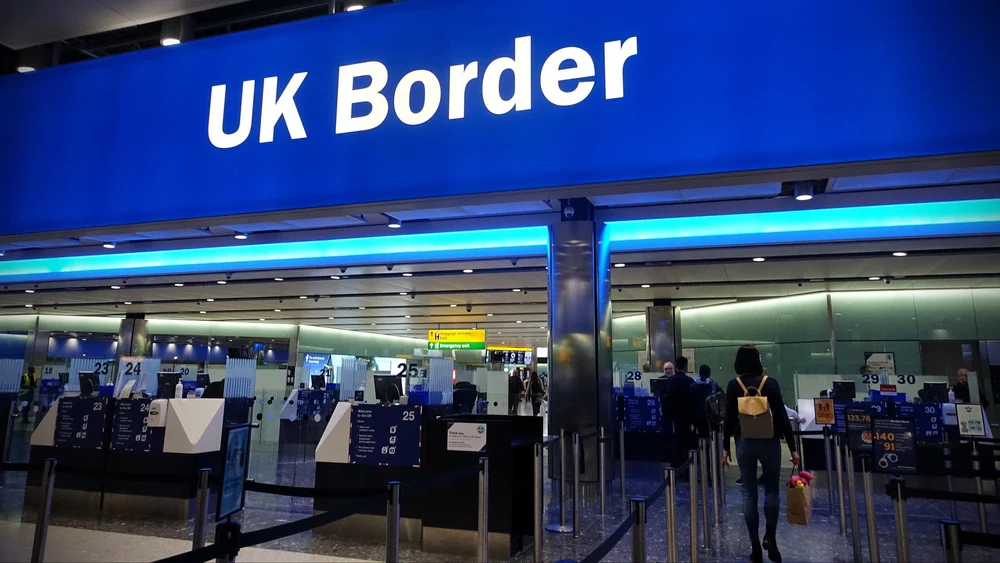
The UK ETA mandatory 2026 enforcement marks a pivotal shift in British immigration policy. Additionally, from 25 February 2026, every eligible traveller must hold a valid Electronic Travel Authorisation(ETA) before boarding any carrier bound for the United Kingdom.
The move to the ETA system means that visitors from visa-free countries must secure an ETA before travelling, with airlines checking the status before boarding. Travellers without a valid ETA or visa risk being denied boarding. The grace period that previously allowed travellers to arrive without an ETA has officially ended, and carriers are now required to deny boarding to passengers who cannot present a valid authorisation linked to their passport.
Travel to the United Kingdom is undergoing one of the most significant changes in decades with the introduction of the Electronic Travel Authorisation (ETA) system. Designed to digitise border controls and strengthen security, the new requirement means that millions of travellers who previously could enter the UK visa-free must now obtain online permission before travelling. The rollout, which began in phases in 2023 and continues through 2025 and 2026, is already reshaping how tourists, business travellers, and airlines prepare for trips to Britain.
A Digital Pre-Travel Permission
The ETA is a digital travel authorisation required for visitors who do not need a visa to enter the UK. It functions similarly to the United States’ ESTA system, requiring travellers to apply online before boarding a plane, ferry, or train to the UK. Unlike a visa, the ETA does not grant automatic entry into the country. Instead, it serves as a pre-travel security clearance that allows travellers to board transport to the UK, where border officials still make the final decision on admission.
Typically, the authorisation is valid for two years or until the traveller’s passport expires, and it allows multiple visits to the UK for stays of up to six months each time.The move forms part of the UK government’s broader ambition to create a fully digital immigration system by 2025, replacing traditional processes with electronic visas, digital permissions and automated border checks.
A Gradual Global Rollout
The UK introduced the ETA scheme in phases, beginning with travellers from selected countries in the Middle East in 2023. Since then, the programme has steadily expanded to include visitors from dozens of countries worldwide. By January 2025, the scheme had extended to many non-European countries including the United States, Canada, and Australia—nations whose citizens previously travelled to the UK without any pre-approval.
The biggest shift came in April 2025, when European Union and European Economic Area citizens also became subject to the requirement. This marked a major change in post-Brexit travel rules, as EU nationals had long enjoyed visa-free entry without needing any advance permission. Once fully implemented, almost all travellers who do not need a visa—potentially from more than 80 countries—will need an ETA before entering the UK.
“No Permission, No Travel”
The new system is designed to shift border checks from the airport to the booking stage. Airlines, ferry companies and train operators must verify that passengers hold valid permission before allowing them to travel to the UK.
As part of the rollout, thousands of airline staff across Europe and other regions have been trained to check passengers’ digital travel permissions before boarding flights. The move effectively turns carriers into the first line of immigration enforcement.
Authorities have made it clear that travellers who fail to obtain the ETA in advance may be denied boarding entirely. This has prompted travel companies and tourism boards to launch awareness campaigns to ensure visitors are prepared for the new rules.
Faster Borders — but More Planning
Supporters say the system will make travel to the UK smoother and safer. By screening travellers before they arrive, border authorities can reduce queues at airports and identify potential security risks earlier.
More than 13 million travellers have already successfully applied for the digital permit since the scheme began, according to government figures, demonstrating how quickly the system is becoming a routine part of international travel.
For travellers, however, the change introduces a new step in planning a trip. Even visitors who previously needed only a passport must now complete an online application, submit personal information, and pay a small fee before departure.
While the process is generally quick—often completed within minutes—travel experts warn that forgetting to apply could disrupt travel plans, particularly for last-minute trips.
Part of a Global Trend
The UK’s ETA system reflects a broader global trend toward digital travel authorisations. Countries including the United States, Canada, Australia and New Zealand already use similar systems to screen travellers before they arrive.
The European Union is also preparing to introduce its own travel authorisation system, ETIAS, which will require visa-free travellers to obtain online approval before visiting the Schengen area.
By aligning with these international systems, the UK hopes to modernise its borders while maintaining control over migration and security.
What It Means for Tourism
For the tourism industry, the ETA represents both an adjustment and an opportunity. While some travellers may initially find the new requirement confusing, officials argue that the system ultimately simplifies travel by replacing multiple processes with one digital permission. Tourism authorities are also optimistic that the streamlined border checks could make arrivals faster once travellers reach the UK. However, experts say clear communication will be essential to ensure that travellers worldwide understand the new requirements before planning their trips.
The Future of UK Travel
As the ETA becomes mandatory for most visa-free travellers, it marks a significant shift in how people enter the UK. What was once a simple passport-only journey for many visitors now requires advance digital authorisation. For millions of tourists and business travellers, the message is clear: planning a trip to Britain now begins not at the airport—but online.
With digital borders becoming the norm worldwide, the UK’s ETA system signals the next stage in the evolution of international travel, where security, technology and convenience increasingly intersect.