Travel Daily Media looks into the repercussions of regional traffic on the pilgrimage sector
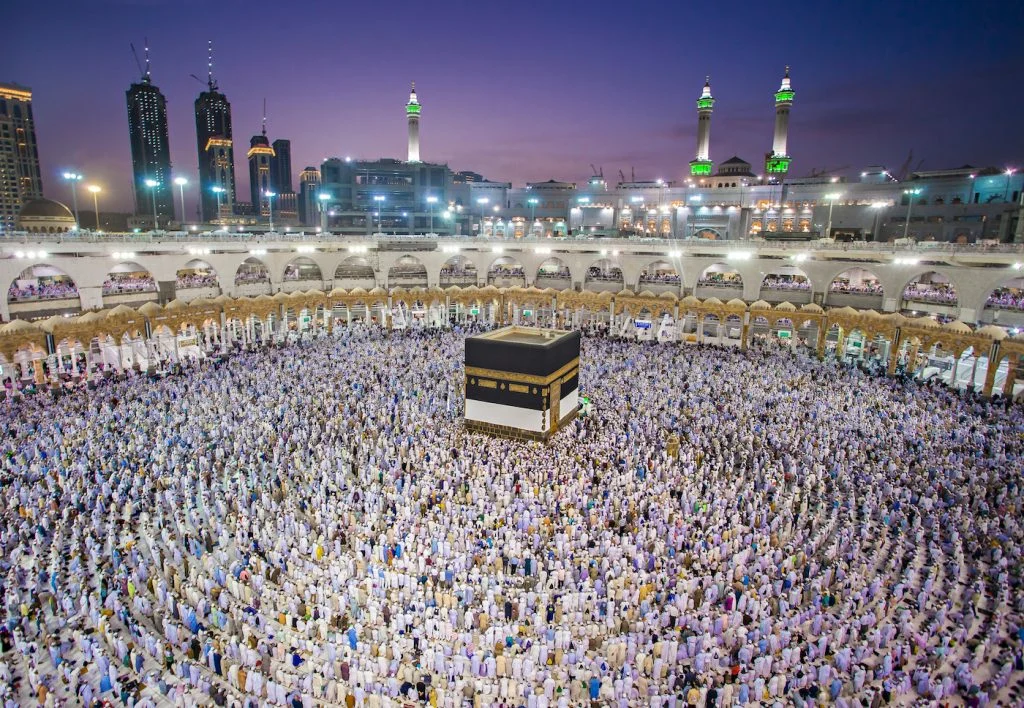
As we are currently in the Christian period of Lent and the Muslim month of Ramadan, the timing of the ongoing crisis in the Middle East is a disastrous one for the religious tourism sector.
We have already pointed out that the crisis will adversely impact global aviation, but it also does not bode well for tourism in general and pilgrimages even more so.
Consider this: Saudi Arabia alone earns between US$12 billion to over $20 billion from the Hajj and Umrah pilgrimages, especially given how the average pilgrim spends around US$1,300 to US$4,000 per trip.
In fact, Saudi Arabia seeks to grow the numbers to at least 30 million pilgrims a year by 2030 under its Vision 2030 initiative.
Given the current sociopolitical situation, however, their plans may need to be shelved or recalibrated until things get better.

Harsh repercussions
Along with violence and widespread destruction, severe economic loss has faced a number of countries in the region over the past couple of years.
In the case of the Holy Land, the amalgam encompassing Israel, Jordan, Palestine, and Lebanon, the Christian pilgrimage sector remains firmly shuttered, and sacred sites like Bethlehem report losses of up to 100 percent in terms of visitor revenue.
Israel has already lost around US$3.4 billion in tourism revenue as it has long been dependent on the pilgrimage trade.
Palestine, on the other hand, continues to lose up to US$2.5 million a day.
Likewise, tourist arrivals in the Holy Land have dropped by 77 percent since April of last year, and the area’s hospitality sector has seen a drop of 59 percent in overnight stays.
It is possible that Muslim sites may encounter the same fate if the situation does not improve as Ramadan pilgrimages to the sacred cities of Makkah and Madinah have either been suspended or cancelled outright.
According to religious travel site Have Halal Will Travel, more than 58,000 global pilgrims are currently within the vicinity of these sacred sites, unable to leave because of armed conflict.
Likewise, all gulf states have been placed under yellow alert globally, while Iran, Iraq, and the Holy Land all remain red alert zones.

What happens now?
We mentioned above that nearly 60,000 pilgrims are currently stuck in Saudi Arabia or at airports throughout the region.
For them, as with everyone else in those affected states, the course of wisdom is to stay put in relatively safe areas.
Leaders of other countries, particularly those home to the bulk of both Christian and Muslim pilgrims like the Philippines and Indonesia, have advised stranded nationals to shelter in place and follow the advisories issued by host countries.
Given how religious tourism in the form of pilgrimage is seen as a pious act of faith, perhaps the current situation calls upon us all regardless of whichever religion we adhere to, to pray for peace and an immediate resolution to the strife that threatens us all.