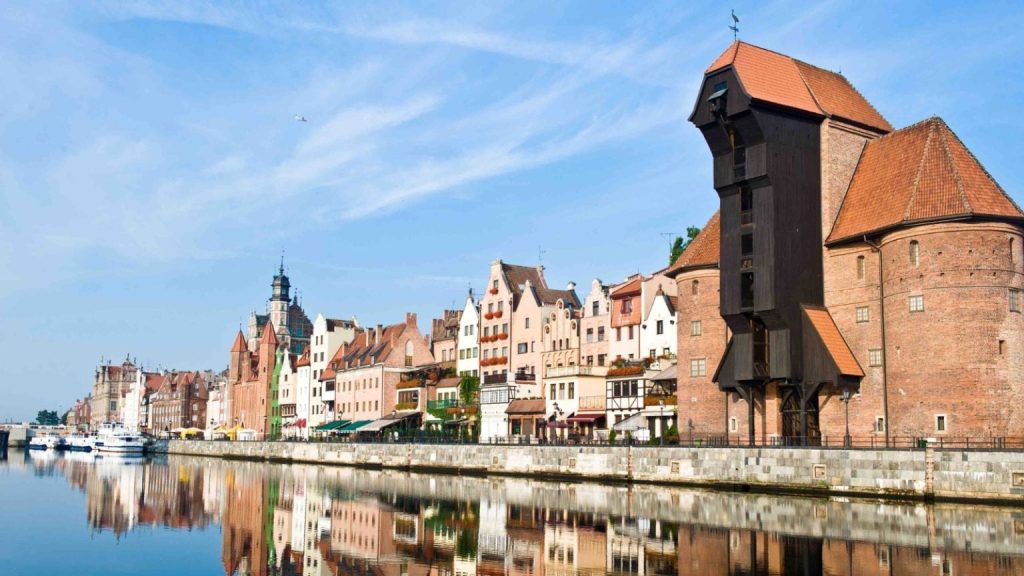
New research by Mabrian and Data Appeal shows overseas markets increasingly favour emerging European destinations, supporting geographic and seasonal tourism dispersion across lesser-known regions.
PARNU, ESTONIA – New research presented by Mabrian and Data Appeal at the 11th Annual Meeting of the European Travel Commissionhighlights the growing role of overseas travellers in redistributing tourism demand across Europe, both geographically and seasonally.
The study shows that emerging destinations in lesser-known regions across Europe, including Northern Italy, Spain, Portugal, Southern Finland and Poland, are attracting increased interest from long-haul travellers. This shift is contributing to a more balanced distribution of visitor flows and helping destinations address seasonality challenges.
The research analyses travel behaviour from six key overseas source markets – Australia, Canada, China, Japan, South Korea and the United States – identifying how demand from these markets can support strategic tourism development across European destinations.
“Our Annual Meeting in Pärnu is about making European tourism future-ready. We’re delighted to welcome Mabrian and Data Appeal to bring the latest intelligence from key overseas markets. These timely insights will help destinations stay competitive and deliver more balanced value – across regions, seasons and stakeholders,” said Menno Van IJsselof the European Travel Commission.
According to official forecasts from the European Travel Commission and Tourism Economics, by 2029 more than one in ten travellers visiting Europe will come from one of these six overseas markets, with travellers from the United States accounting for around half of this long-haul demand.
Air connectivity has continued to strengthen. In 2025, available seats on direct flights from these overseas markets to European destinations increased by 5.2%. The United States remains the best-connected market with more than 36.4 million available seats, followed by Canada with 8.7 million and China with 6.8 million. Capacity growth has been particularly strong from China and Japan, as well as Australia, despite overall seat availability from Australia remaining comparatively limited.
While overseas travellers continue to visit Europe’s most established regions – such as Lazio, Tuscany, Andalusia, Catalonia, Île-de-France and Attica – these areas accounted for 32.2% of total overseas stays in 2025, data indicates that demand growth is accelerating in alternative destinations.
These include northern and cooler-climate regions such as Southern Finland, Vestland in Norway, Galicia in Spain, Trentino-Alto Adige in Italy, Normandy and Alsace in France, and Northern Portugal. Central European destinations in Croatia and Poland are also gaining visibility, alongside less crowded coastal areas such as the Ionian Islands in Greece and the Marmara region in Turkey.
Destinations with strong cultural identity are also benefiting from increased overseas interest, including Central Anatolia in Turkey and Galway County in Ireland. Across these emerging destinations, nature-based and active tourism experiences are the primary demand drivers, complemented by cultural motivations.
“Overseas demand is becoming a powerful engine for diversifying European tourism,” said Carlos Cendra, Director of Marketing and Communications at Mabrian.
The analysis also highlights lower sensitivity to peak season travel among overseas visitors. Travellers from long-haul markets tend to avoid July and August, favouring shoulder seasons instead. This counter-seasonal pattern is particularly pronounced among Asian markets, presenting opportunities for demand smoothing and capacity optimisation.
Travel party composition varies by market. Travellers from the United States, Canada and Australia most commonly visit as couples, while solo travel is more prevalent among visitors from Japan and South Korea. Among Chinese travellers, business travel represents 16.5% of visits to emerging destinations, compared with 10.5% from Japan and 9.4% from South Korea.
Accommodation preferences also differ. American and Japanese travellers account for the highest shares of five-star hotel stays, while four-star accommodation is the most popular category for Australian and Japanese visitors. Travellers from Canada, the United States, China and South Korea show similar demand levels for three- and four-star hotels.
“These data clearly highlight the opportunities for both territorial and seasonal tourism dispersion,”noted a Mabrian spokesperson. “To capitalise on overseas demand trends and redistribute visitors beyond Europe’s most frequented destinations and peak months, it is essential that alternative destinations offer a complete range of tourism products and services suited to long-haul travellers.”
The research analyses travel behaviour from six key overseas source markets – Australia, Canada, China, Japan, South Korea and the United States – identifying how demand from these markets can support strategic tourism development across European destinations.
“Our Annual Meeting in Pärnu is about making European tourism future-ready. We’re delighted to welcome Mabrian and Data Appeal to bring the latest intelligence from key overseas markets. These timely insights will help destinations stay competitive and deliver more balanced value – across regions, seasons and stakeholders,” said Menno Van IJsselof the European Travel Commission.
According to official forecasts from the European Travel Commission and Tourism Economics, by 2029 more than one in ten travellers visiting Europe will come from one of these six overseas markets, with travellers from the United States accounting for around half of this long-haul demand.
Air connectivity has continued to strengthen. In 2025, available seats on direct flights from these overseas markets to European destinations increased by 5.2%. The United States remains the best-connected market with more than 36.4 million available seats, followed by Canada with 8.7 million and China with 6.8 million. Capacity growth has been particularly strong from China and Japan, as well as Australia, despite overall seat availability from Australia remaining comparatively limited.
While overseas travellers continue to visit Europe’s most established regions – such as Lazio, Tuscany, Andalusia, Catalonia, Île-de-France and Attica – these areas accounted for 32.2% of total overseas stays in 2025, data indicates that demand growth is accelerating in alternative destinations.
These include northern and cooler-climate regions such as Southern Finland, Vestland in Norway, Galicia in Spain, Trentino-Alto Adige in Italy, Normandy and Alsace in France, and Northern Portugal. Central European destinations in Croatia and Poland are also gaining visibility, alongside less crowded coastal areas such as the Ionian Islands in Greece and the Marmara region in Turkey.
Destinations with strong cultural identity are also benefiting from increased overseas interest, including Central Anatolia in Turkey and Galway County in Ireland. Across these emerging destinations, nature-based and active tourism experiences are the primary demand drivers, complemented by cultural motivations.
“Overseas demand is becoming a powerful engine for diversifying European tourism,” said Carlos Cendra, Director of Marketing and Communications at Mabrian.
The analysis also highlights lower sensitivity to peak season travel among overseas visitors. Travellers from long-haul markets tend to avoid July and August, favouring shoulder seasons instead. This counter-seasonal pattern is particularly pronounced among Asian markets, presenting opportunities for demand smoothing and capacity optimisation.
Travel party composition varies by market. Travellers from the United States, Canada and Australia most commonly visit as couples, while solo travel is more prevalent among visitors from Japan and South Korea. Among Chinese travellers, business travel represents 16.5% of visits to emerging destinations, compared with 10.5% from Japan and 9.4% from South Korea.
Accommodation preferences also differ. American and Japanese travellers account for the highest shares of five-star hotel stays, while four-star accommodation is the most popular category for Australian and Japanese visitors. Travellers from Canada, the United States, China and South Korea show similar demand levels for three- and four-star hotels.
“These data clearly highlight the opportunities for both territorial and seasonal tourism dispersion,”noted a Mabrian spokesperson. “To capitalise on overseas demand trends and redistribute visitors beyond Europe’s most frequented destinations and peak months, it is essential that alternative destinations offer a complete range of tourism products and services suited to long-haul travellers.”